

Lilliputti is driving again in the summer 2025! Route driving 23.6.-3.8.2024. The departure point is in front of Ravintola Niska, the payment is made directly to the train.
Attractions
Search for interesting attractions by type and / or area or by keyword, end by pressing "Show results"
103 Search results, page 1/1
Clear filters-
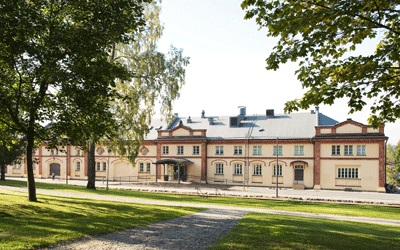
From Vaasa market square, it is only a short walk to the Kuntsi Museum of Modern Art, which is in a beautiful spot by the sea in the Inner Harbour. The museum was named after art collector Consul Simo Kuntsi (1913–1984), and the art collection of the foundation established by him is considered one of the most important collections of modern and contemporary art in Finland. Donations and deposits, such as Lars Swanljung’s (b. 1944) collection of contemporary art, consolidate the importance of Vaasa in the art world.
The exhibition activities of the museum are based on changing exhibitions of modern and contemporary art as well as on displays of the museum’s own art collections. The exhibitions at the Kuntsi museum are in-depth analyses of phenomena in contemporary art and topical issues providing substance for identity building and understanding the phenomena of our time.
The facilities at Kuntsi offer excellent scope for organizing various events. Cross-disciplinary art performances and events, in particular, in collaboration with the third sector and special groups of the public, are frequently organised.
+358 40 183 0440
kuntsi.info@vaasa.fi
-
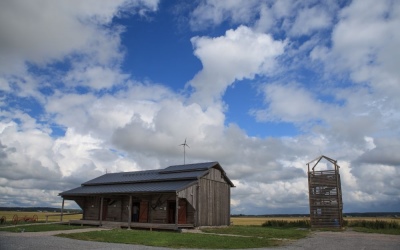
Meteoria Söderfjärden is a unique visiting centre in the middle of the most beautiful meteorite crater in Finland
- An advanced exhibition telling a long story of at least 520 million years of Söderfjärden
– from an impact crater to the agricultural and Natura 2000 area of today - A well-equipped astronomical observatory with a telescope for studies of celestial bodies millions of light years out into the universe
- A bird-watching tower in the middle of the most important resting area for cranes in Finland
- A cafeteria in an old treshing barn
- A model of our solar system, a model of the crater an a timeline of earths history: TellusTimeLine
- An energy cellar – own production of renewable energy: solar and wind
- An exhibition with unique meteorites and an exhibition with old farming machinery
The exhibition is open for individuals and small groups during the opening hours. An exhibition tour on other hours than the usual opening hours, can easily be arranged for bigger groups simply by booking online.
A certified crater guide is always present on normal opening hours and other hours, if booked in advance.
The bird watching tower and the exhibition outside the building is available free of charge, every hour of the day and every day of the year.
+358 50 556 5199
meteoria@sundom.fi
- An advanced exhibition telling a long story of at least 520 million years of Söderfjärden
-
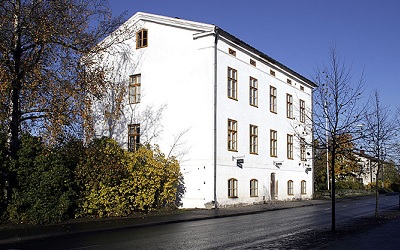
The Museum of Old Vaasa is located in the Wasastjerna House, in the city quarter known as Old Vaasa. You can learn about the history of Vaasa before the fire of 1852, which destroyed most of the city as it was then.
The museum’s ticket sales desk offers a small selection of cards, historically-themed museum shop items and books. The vaulted storage room on the ground floor functions as a café, Falander’s Cellar, which during the summer serves coffee, tea and soft drinks.
+358 40 482 9816
museoinfo@vaasa.fi
-
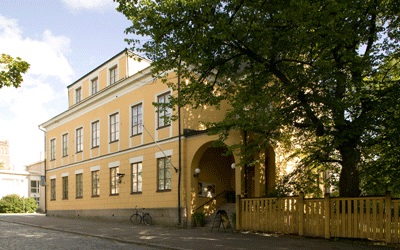
The Tikanoja Art Museum is located in the centre of Vaasa. The museum organizes exhibitions of older Finnish and international art, thematic cultural-historical exhibitions as well as changing displays of its own collections.
A pedagogical touch and museum pedagogical activities related to exhibitions play an important role at the Tikanoja Art Museum. The Tikanoja Art Museum is a vivid museum that also offers cross-disciplinary art performances.
The Tikanoja Art Museum came into being as a result of the love of art of a local businessman, Commercial Counsellor Frithjof Tikanoja (1877-1964). The Tikanoja collection includes an exceptionally remarkable section of foreign art in Finland with an emphasis on French paintings from the 19th and early 20th centuries.
+358 40 182 8702
museoinfo@vaasa.fi
-
Tropiclandia indoor and outdoor Water Park
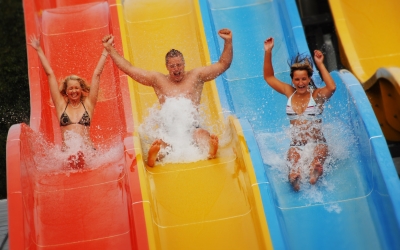
Tropiclandia Waterpark is a dream-come-true for a family that loves water. Water slides, waves, waterfalls, bubble baths, exotic saunas. At the outdoor water park there is wild water slide chutes, two activity pools for children, a Jacuzzi and ample space for lying and relaxing in the sun, as well as terrace restaurant.
+358 20 796 1300
info.tropiclandia@puuhagroup.com
-
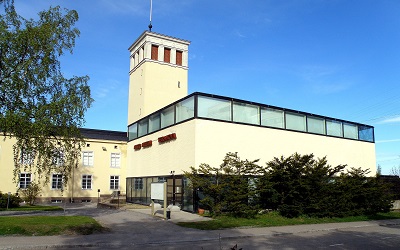
The museum is located in Marianpuisto Park, which is under a 15-minute walk from Vaasa Market Square. The museum was established in 1895 and it functions as the historical museum of the City of Vaasa and as a museum of natural science for Ostrobothnia. The museum focuses mainly on cultural history, art and natural science.
Between three and five changing exhibitions are held annually. In addition to the temporary exhibitions, there are three permanent collection exhibitions corresponding to the museum’s main areas of focus. The Hedman Floor houses antiques and works of art, Vaasa 400 – which is a city history exhibition – and the Terranova exhibition, which informs the visitor about the natural environment in the Kvarken region and the World Heritage Site. The museum offers enjoyable experiences for visitors of all ages as well as information and ideas for teaching cultural history, local history, natural science and art.
+358 6 325 3800
museoinfo@vaasa.fi
-
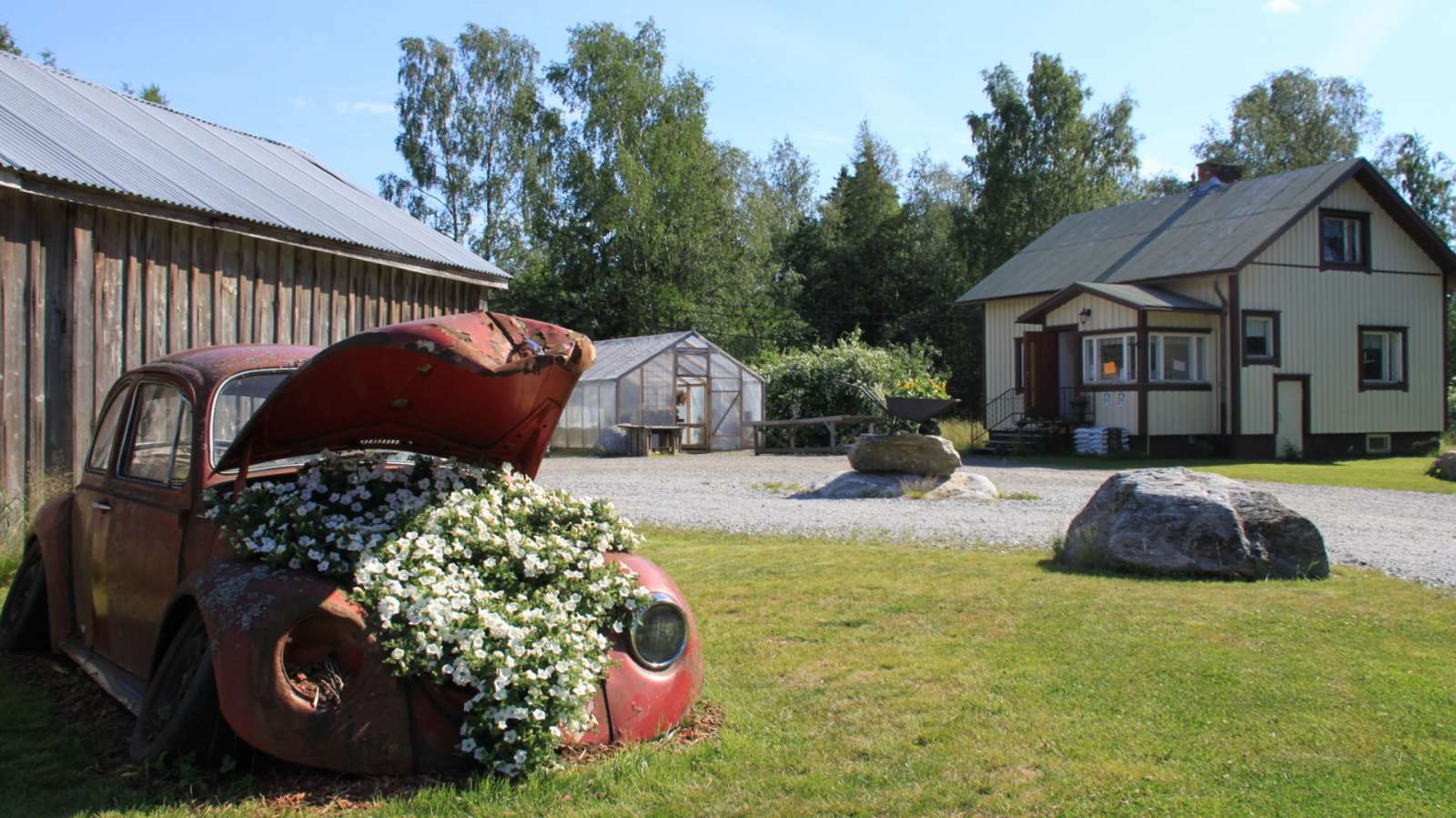
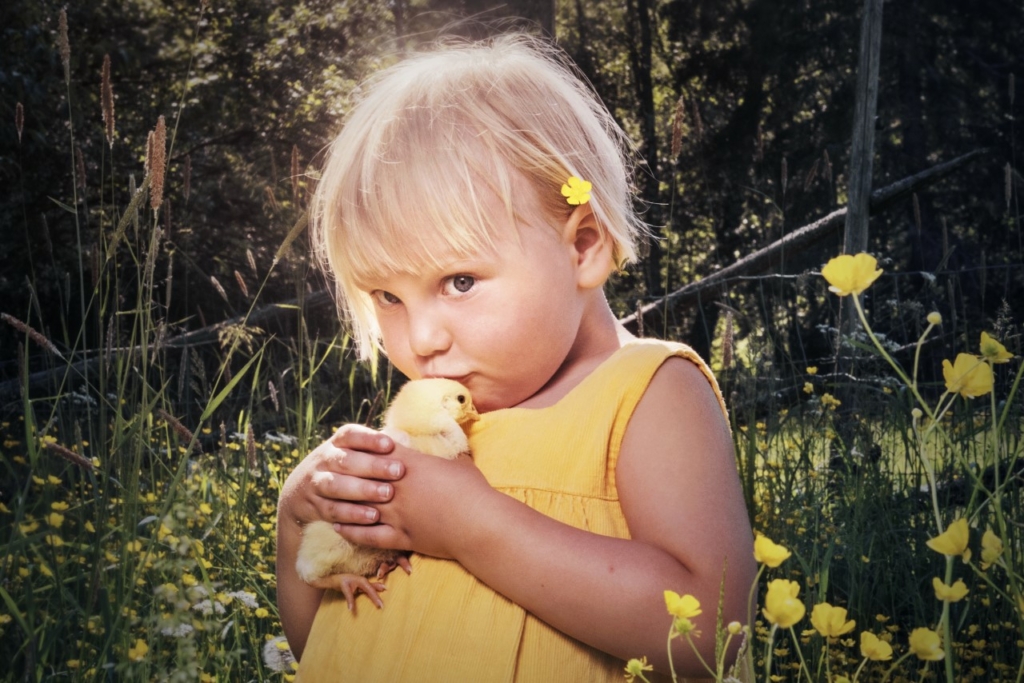 A heartfelt farm in Raippaluoto, UNESCO World Heritage Site
+358 45 671 9358
anna.salmi@aavakertunkotitila.fi
-
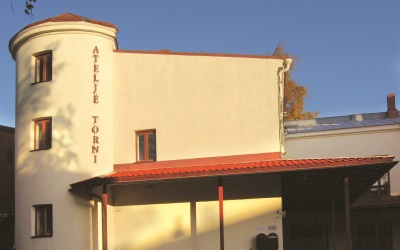
ART CENTER TORNI is the home and cradle of artists of Vaasa Art Club. From its protection have many respected artists left.
+358 40 852 5111
torniart@gmail.com
-
-
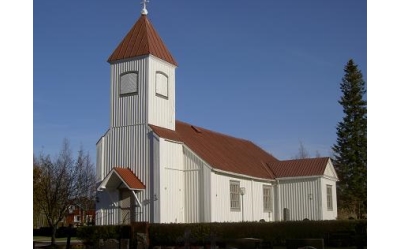
Bergö church was built between 1800-1802 by the villagers and originally it was planned to be a chapel. The alterpiece is painted by Teodor schalin in 1919.
https://www.malaxforsamling.fi/kyrkor-och-lokaler/bergo-kyrka
-
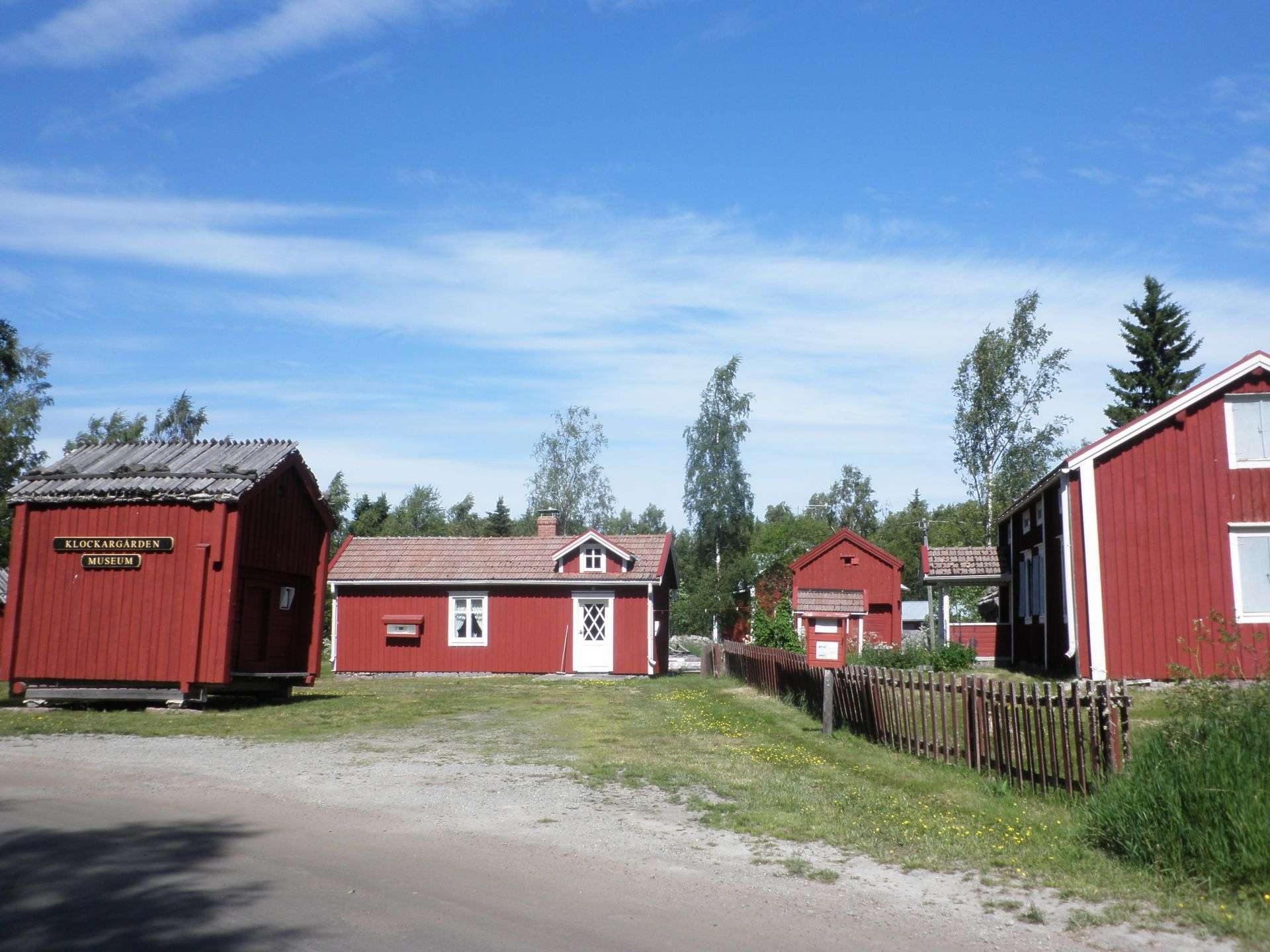
The sexton farm (Klockargården) was built in 1856 by the village farmers as residence for the parish sexton Johan Erik Munch.
The residence was donated to Bergö Antiquarian Society on august 7th 1942. The residence has since then been a local museum and is operated by Bergö Antiquarian Society.+358 400 165 685
pererik.berglund@netikka.fi
-
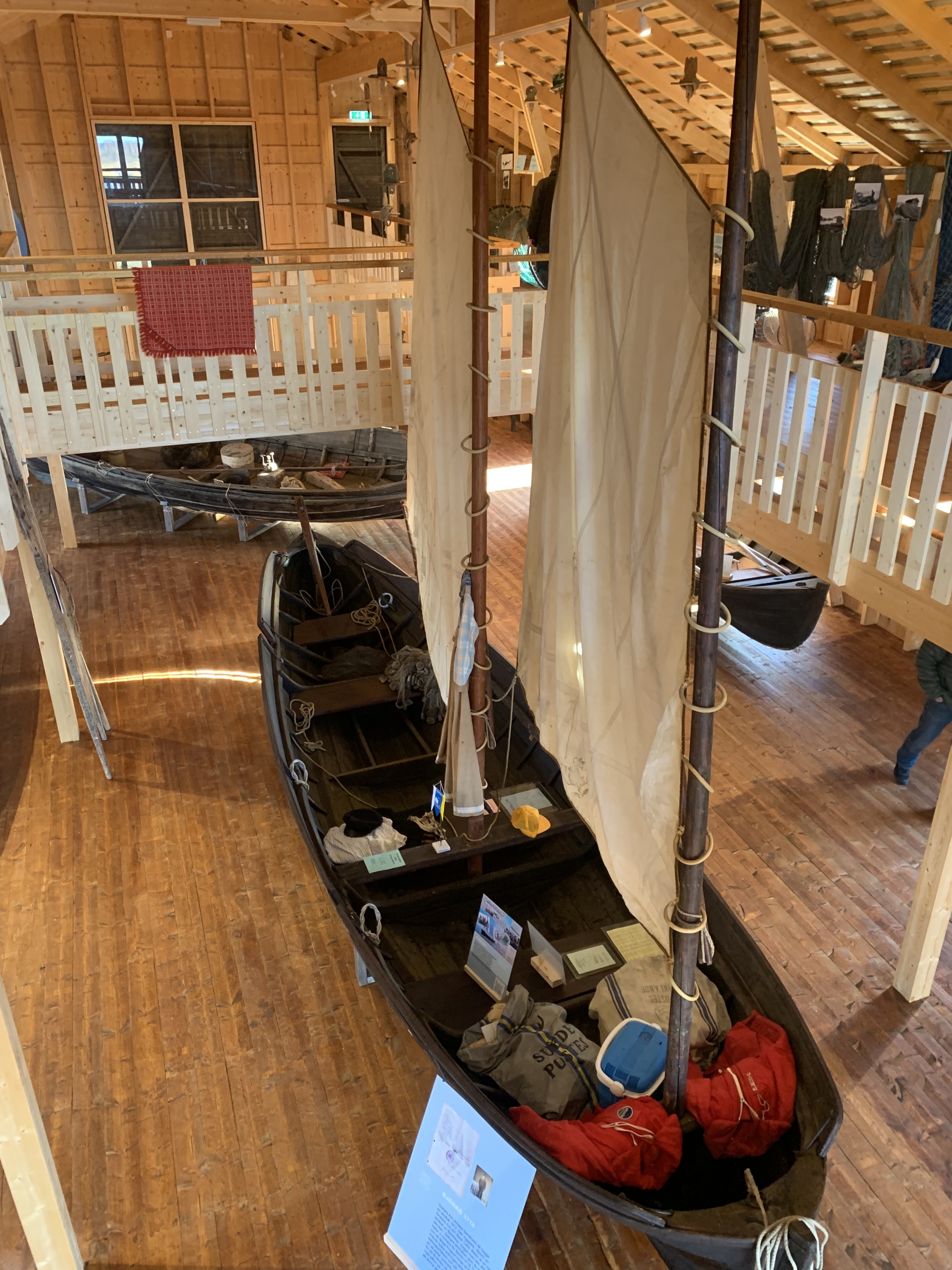
In the newly built boat museum at Svedjehamn, you can learn more about clinker boats, seal hunting, and different types of fishing methods and hear touching stories about life in the archipelago. The museum is open during the summer months (June-August).
Please get in contact by e-mail for group bookings.
+358 44 3245 730
martesgardsmuseum@gmail.com
-
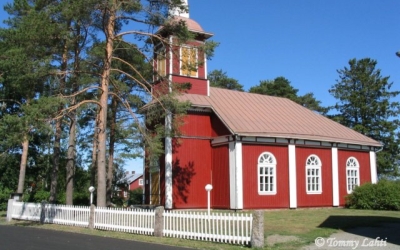
Björkö village church was built in 1859 and was named Maria, after the wife of Alexander II. The gallery was built in 1907, and the first organ was purchased a couple of years later. Before the village had its own church, the bible study cottage was used as a chapel.
https://www.mustasaarensuomalainenseurakunta.fi/kirkko-ja-tilat/bjorkobyn-kirkko
-
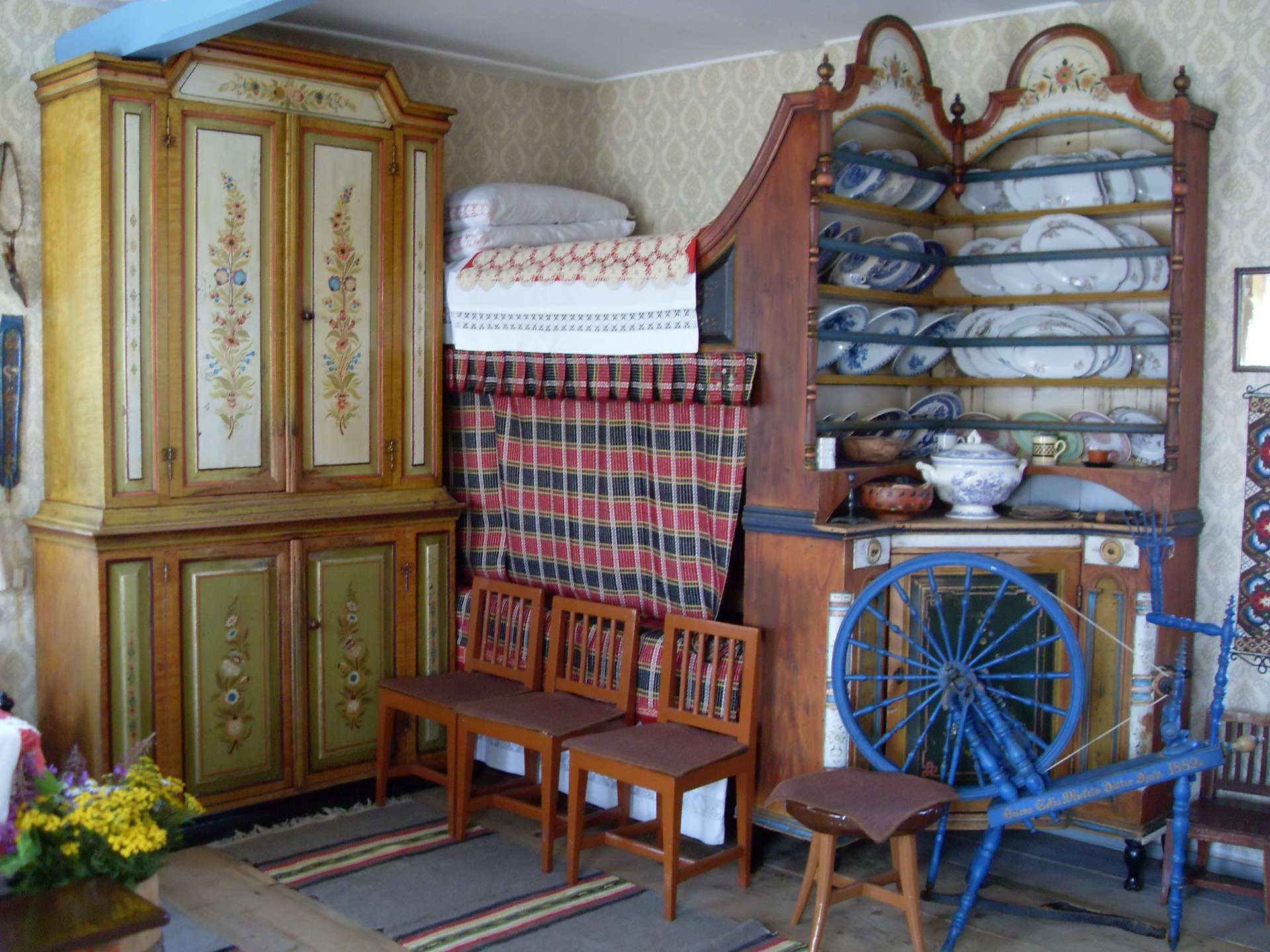
Mortes was built in 1844 and today houses a museum. When visiting Mortes, you will be able to see some of the oldest Björkö-cupboards decorated with ornate floral motifs, the first village radio, and old textiles, but also more modern items that represent how this home has changed with time.
The museum area also contains the Motor Museum, the Soldier’s Cabin, and the Carding and Spinning Mill, as well as our exhibitions about the Defence Corps, the School in Björkö, and 19th century clothing. People have already visited this house for decades, as its previous owner Emil Doktar was a famous bonesetter and adventurous jack-of-all-trades. To hear more about him, his family and Björkö life in general, do pay us a visit!
The museum is open during the summer season.
+358 44 324 5730
martesgardsmuseum@gmail.com
-
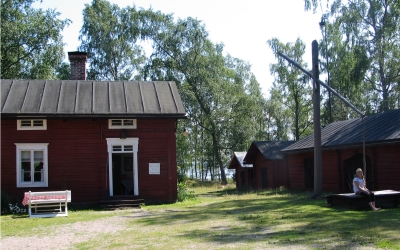
Brage Open Air Museum with its beautiful surroundings lies within walking distance of the centre of Vaasa.
The Museum consists of a complete nineteenth-century farm with interesting buildings and interiors from the Swedish-speaking part of Ostrobotnia. Permanent exhibitions include the decorated Wedding Room, the Girls clothing Loft with colourful textiles and the Seel Hunting Museum. There is a model of a stone labyrinth on the area.
+358 44 012 7166
info@vasabrage.fi
-
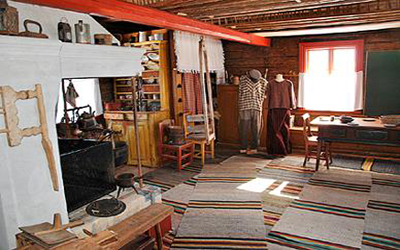
The Orregården farm house in the village Malax (1879) and its restored garden (as it was in the 1930s) form a unique milieu with all the farm’s objects preserved in their original surroundings. The other 20 buildings are moved to the open-air museum.
mmf.brinken@gmail.com
-
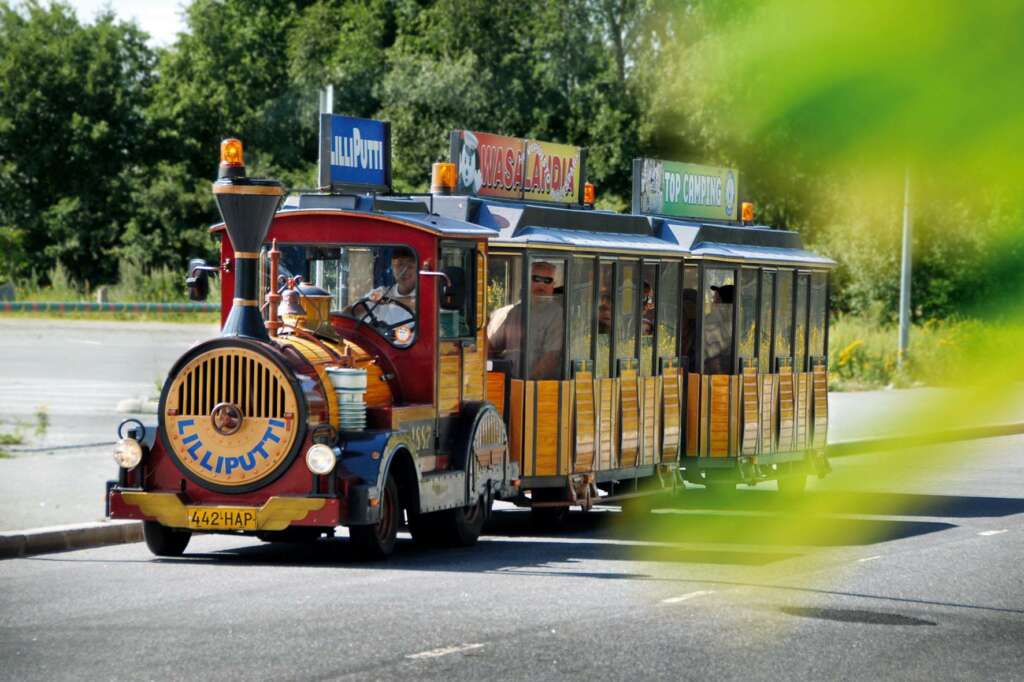
+358 20 796 1300
info.tropiclandia@puuhagroup.com
https://www.tropiclandia.fi/en/good-to-know/city-train-lilliputti/
-
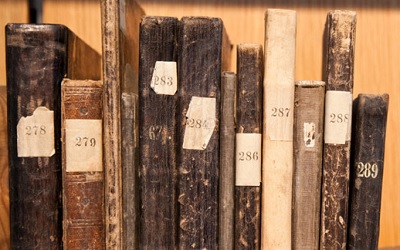
Finland’s first library was established in Vaasa already in 1794. The Library Museum provides a versatile picture of the history of the library with the help of artefacts, books and pictures. Historical book collections share the space with the museum’s alternating exhibitions.
The roots of Finland’s first library are in the Waasa Reading Library (Waasan Lukukirjasto), which was established by some members of the Vaasa court of appeal in 1794 for “their own amusement and to pass the time”. Other citizens were also allowed to use the library for a small fee. The library had a wide collection of books and maps as well as portraits and copper drawings. It is not likely, that the art items were lent, but the beginning of an art rental shop of a sorts was, however, there. The Reading Library operated until 1845, when the censorship regulations of the Russian rule forced it to close its doors. There are 30 works in the museum today, which remain from the original Reading Library.
After the Reading Library closed down the citizens of Vaasa were left without a library for five years. Lecturer Oskar Rancken stepped up, and the new library operated until the beginning of the 20th century. In the attic of the Palosaari library was discovered in the 1930s a collection of preserved tomes from the library in question. The tomes were bound in black leather backs, and therefore the collection has received the nickname “The Black Library”.
https://www.museiportalosterbotten.fi/museum-a-o-en/museum/60-finland-s-library-museum
-
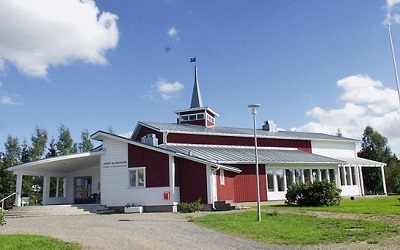
Step inside the Youth Association Museum. In the Youth Association Museum the visitor can get acquainted with the exciting and eventful history of our organization spanning 135 years. How did we become us? We have gathered a basic collection around thematic entities, that each recount our history.
+358 45 119 5319
laihian.nuorisoseura@netikka.fi
http://www.museiportalosterbotten.fi/museum-a-o-en/museum/73-finland-s-youth-association-museum
-
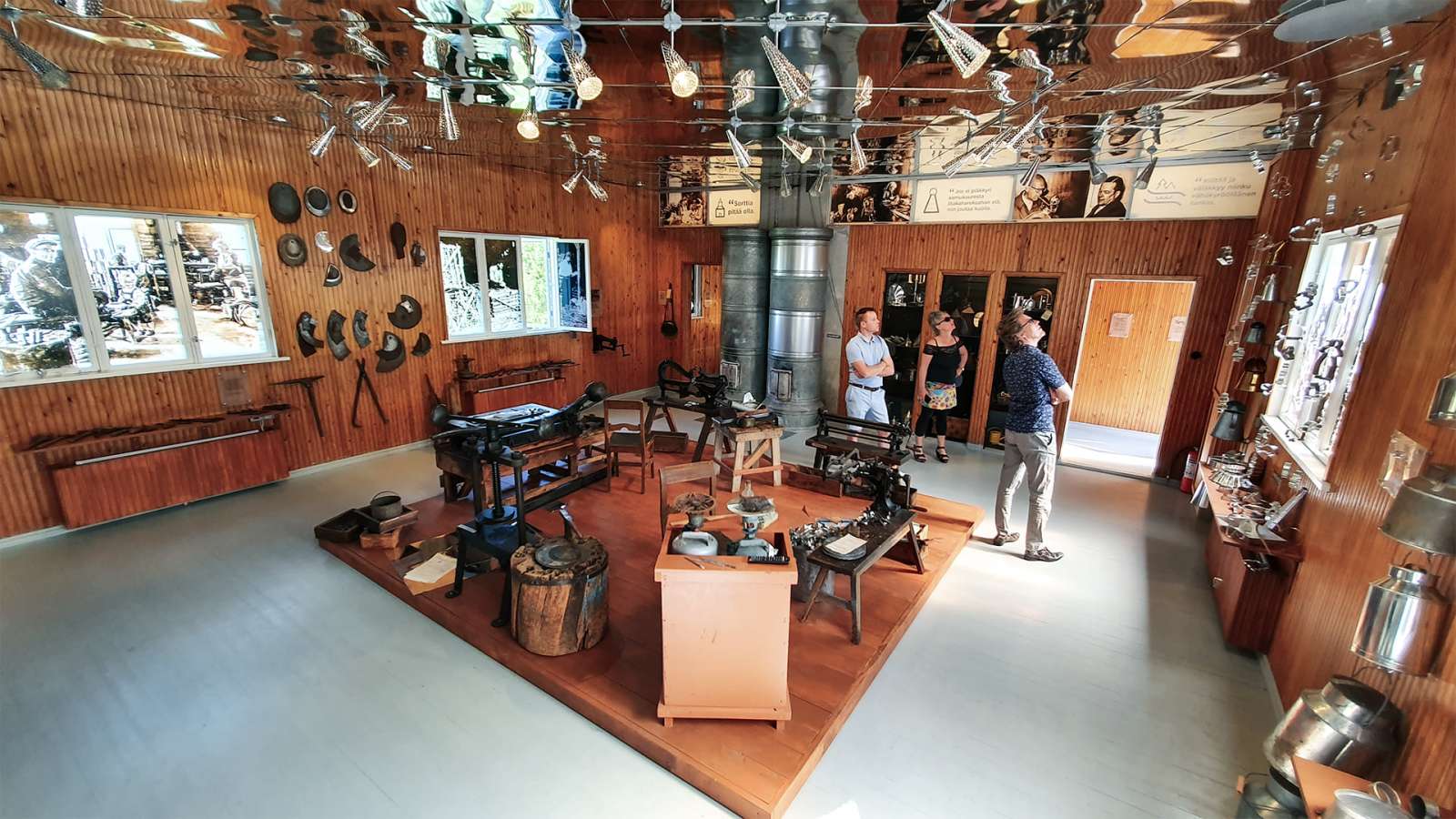
Dive into the tinplate craftsmanship tradition alive in the cultural area of Kirkonmäki in Vähäkyrö and experience the authentic atmosphere of the carefully renewed museum. The exhibition showcases a unique craft tradition from the 18th century to the present day and demonstrates how tin objects are made using traditional tools. The museum features nearly 200 different items as well as tools over a hundred years old. If you’re lucky, you may also see a real tinsmith at work on site.
+358 6 325 8400
yhteispalveluvahakyro@vaasa.fi
https://www.museiportalosterbotten.fi/museum-a-o-en/museum/68-fyrry-the-tinsmith-museum
-
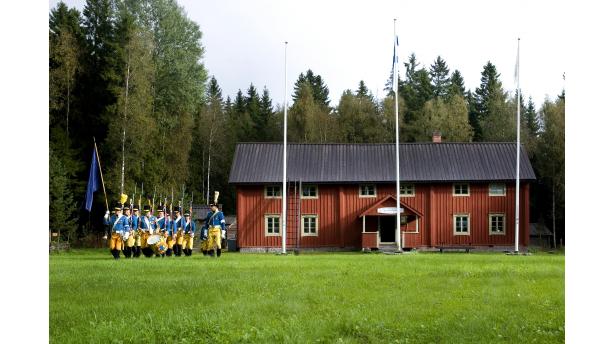
Fänrik Stål’s center includes the area at the historic site of the Battle of Oravais. Here, the war of 1808-1809 is highlighted through both objects, stories, the place and the buildings. The regiment’s exercises and displays bring history to life in period uniforms and weapons.
+358 50 343 2642
Kenny.sundqvist@adelbragd.fi
-
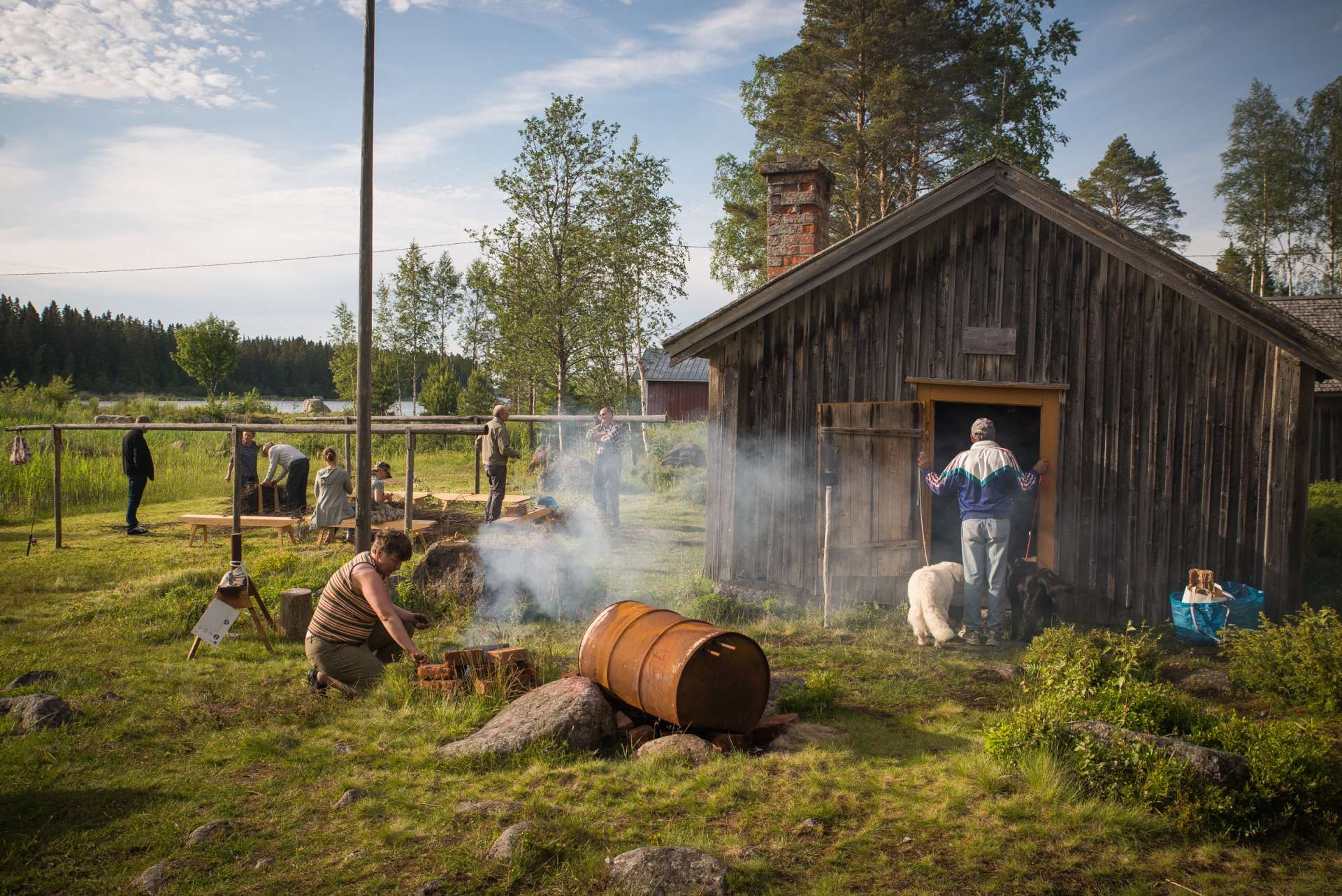
The Granösund Fiskeläge (Fishing Village Museum) provides a view of life in the coastal region of Ostrobothnia, in the days when the majority of the population still depended upon fishing, seal hunting, farming and handicraft for its livelyhood.
+358 44 726 5165
replot.hembygdsforening@korsholmsskargard.fi
-
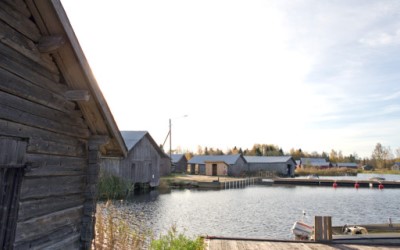
Harrström old fishing harbour, a Place full of life back in the days. Close to the harbour, there is a small museum about how fisherman’s families lived in the turn of the century 1800-1900 and the harbour offers a beautiful view to admire.
-
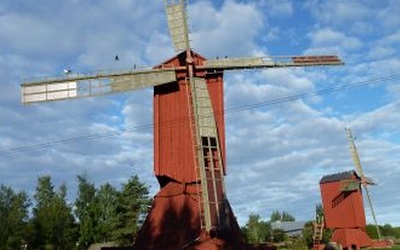
Two windmills stand on the Kvarnbacken hill as monuments to past centuries and bygone peasant community. Storkvarnen, the big mill, is one of the largest windmills in Finland.
Storkvarnen, the big mill, was built in the 1840s, and it still stands on its original site by the sea and its fresh winds. The mill was built by Isak, Karl and Johan Ingels. The wings of the mill are 19,5 metres long and the mill stretches up to 22 metres measured from the ground to the upper tip of the wing. Storkvarnen is the largest functioning mill in Finland. The smaller mill of Kvarnbacken was built at the end of the 19th century. The mills have been restored, and they both function. There were originally five mills on the hill and twelve minor mills in the whole village. The mills of Kvarnbacken are activated every year during the summer festivities, and they grind flour.
-
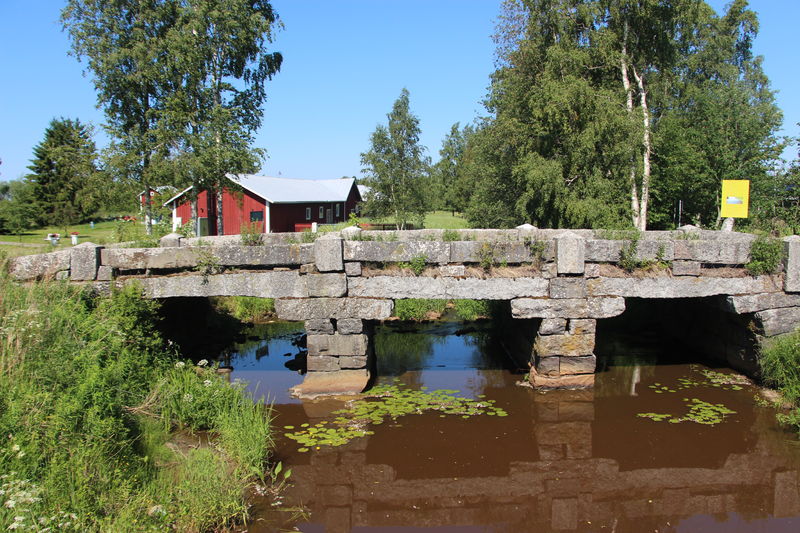
The Harrström stone bridge (known as Åback Bridge until 1983) is a stone museum bridge located in the village of Harrström in Korsnäs. The bridge was completed in 1898. It is a beam bridge constructed from granite blocks. The bridge has three spans and crosses the small river Harvungån. In 1982, the bridge was designated as a museum bridge.
The Harrström bridge is built using the so-called dry-stone technique. The rectangular hewn stones are fitted together without mortar. The bridge has no metal clamps or other structural elements binding the stones together. The length of the bridge deck is 14.6 metres and its total length is 26.4 metres. Its usable width is 4.7 metres and its total width is 5.7 metres. The largest opening of the bridge is 3.7 metres, its longest span is 4 metres, and the clearance under the bridge is 1.5 metres.
The bridge site is part of the historic Ostrobothnian coastal road. In 1983, a new Åback Bridge was built next to the old stone bridge, after which the old bridge received its current name and became a pedestrian and bicycle bridge.
-
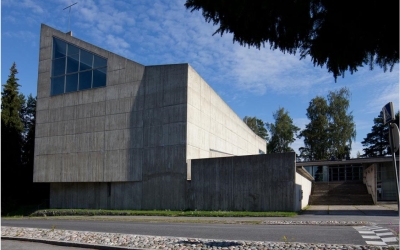 The church, completed in 1964, was designed by Professor Aarno Ruusuvuori. The materials used include concrete and Leca brick. The altar table and baptismal font are made of Sicilian marble, while the pews are made of Romanian oak. Behind the altar table stands a simple iron cross. The pulpit is cast in concrete. The organ, built by the Kangasala Organ Factory, has 20 stops. The three church bells were made in Germany.
https://www.vaasansuomalainenseurakunta.fi/kirkot-ja-tilat/kirkot/huutoniemen-kirkko
-
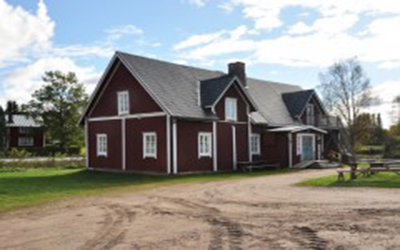
Hägglund’s Photography Museum was inaugurated in 2000, and it is founded upon photographer Erik Hägglund’s studio. The wide collection of cameras and the studio’s equipment illustrate the history of photography from the 1910s to the present day.
Erik Hägglund from Rökiö was interested in art already at an early age, and he travelled to Sweden to work as the apprentice of a painter. There he was employed in a studio and his interest in photography was aroused. When he returned to his home region, he established a modest studio in a stave shed in 1910. He constructed his first atelier camera himself and also painted the shooting background himself. Those are both displayed in the replica of the workshop built inside the museum.
kvarnstuga@outlook.com
http://www.museiportalosterbotten.fi/museum-a-o-en/museum/13-hagglund-s-photography-museum
-
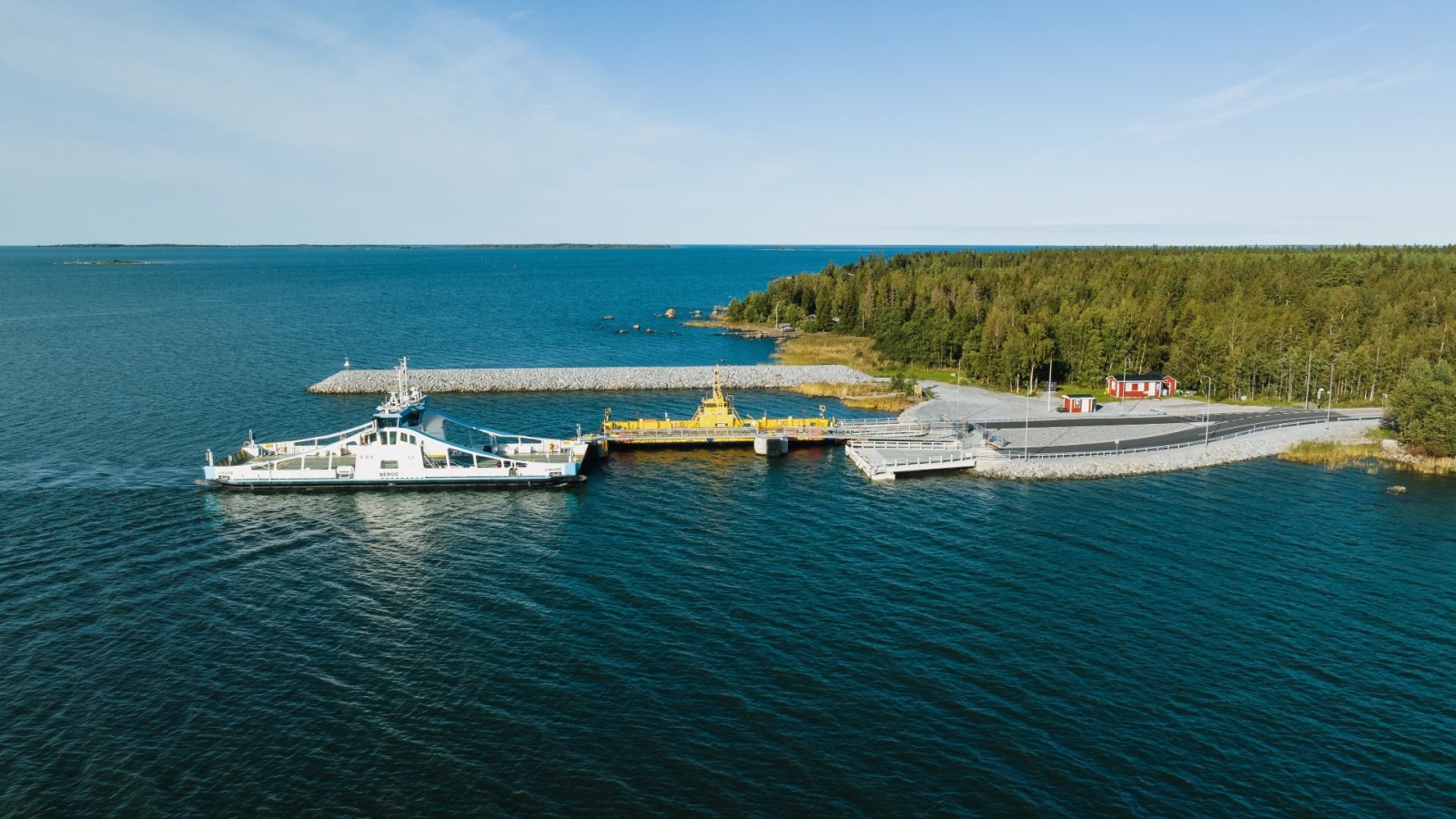
Welcome to a unique and scenic island in the Kvarken archipelago. On Bergö you get close to the nature, here you can swim, hike, bike, fish, and enjoy the magnificent scenery and the many picturesque boathouses. Everywhere you go, you are greeted by the large Gulf of Bothnia. The island’s total area is approximately 3.15 square kilometers and Bergö has about 480 inhabitants.
-
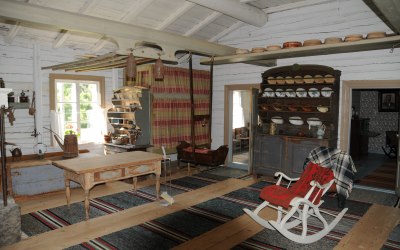
In the Isokyrö Museum can be seen peasant artefacts from the latter half of the 19th century. Everyday utensils are displayed as if the people of the house had just gone to their work outside and left the house for the day. The visitor rather steps into a genuine 19th century milieu than an exhibition.
The museum is characterized by two traditional 1½-storey Ostrobothnian houses. They are grouped with the outbuildings in a way typical for a traditional courtyard. The main building, the Piuhola house, dates back to 1768 and has been moved to the area from the Kuivila village. The buildings represent the building traditions of the 18th and 19th century. The artefacts in the museum also originate from that period.
http://www.museiportalosterbotten.fi/museum-a-o-en/museum/69-isokyro-museum-and-carolinian-centre
-
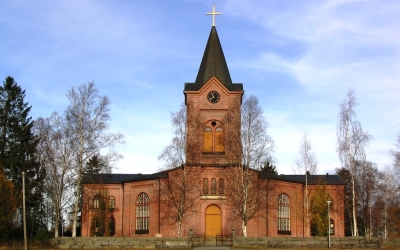
The red-brick main church of Isokyrö was completed in 1877 and can accommodate approximately one thousand people. The altarpiece is a copy of the painting “Christ on the Cross,” painted in Paris in 1878 by the artist Ida Silverberg after an original by the artist Van Dyck. The red-brick burial chapel, completed in 1878, is located next to the main church.
+358 44 769 7543
isonkyron.seurakunta@evl.fi
-
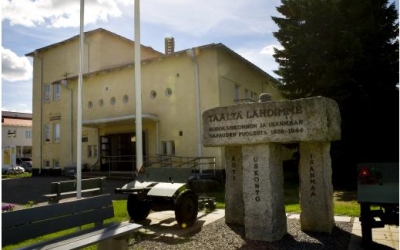
In the Isokyrö War Museum are displayed objects and stories from all the wars waged by Finland. The specialty of the museum is the cannon park, where there are nine different kinds of cannons on view.
In the War Museum one can with the help of items and guidance get acquainted with the Gudgel War (a peasant uprising in the kingdom of Sweden in the part that is now Finland), the Hakkapeliittas (Finnish light cavalryman), the Carolinians, the Finnish War in 1808-1809, the First World War, the Civil War in 1918, and the Second World War in 1939-1945. In the vitrines are exposed soldiers’ uniforms and helmets, rifles and other equipment. One can see in the museum men’s attires from the period of the Gudgel War, a file soldier with his wife, an ensign’s uniform from the year 1918, a festive uniform of a lieutenant colonel and the uniform belonging to a member of the Lotta Svärd organization during the Second World War.
One of the museum’s pearls is a park with nine different kinds of modern era cannons. Here you can see for example an infantry cannon dating back to 1936, a field cannon dating back to 1938 and other cannons from Russia, Finland, Switzerland and Sweden. A Russian horse-drawn field cannon from the year 1902 is one of the oldest weapons in the park. The cannons are no longer in working order, as they have been defused.
http://www.museiportalosterbotten.fi/museum-a-o-en/museum/70-isokyro-war-museum
-
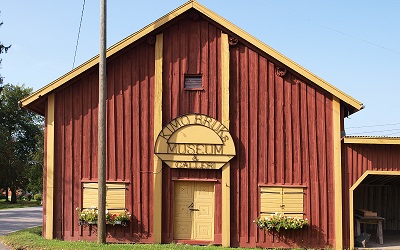
The Kimo Ironworks is the only ironworks museum in Ostrobothnia. The three hundred years old art of forgery is being taught here by one generation to the next with the help of courses and all-day presentations. In the beautiful leafy landscape of dams, rapids and bridges one can explore epochs in history among the 18th century buildings, such as an ironworks estate, a steeple and the ruins of a tilt smithy.
The museum is located in an iron magazine dating back to 1763. On display there are scale models of the 18th century Kimo ironworks and hammer smithy, atmospheric pictures depicting work on the ironworks, and diverse items and tools associated with processing of iron, such as a smith’s diploma from the Bergskollegiet school in Stockholm, and tomb crosses forged by smiths, including also their own ones.
+358 40 045 5080
-
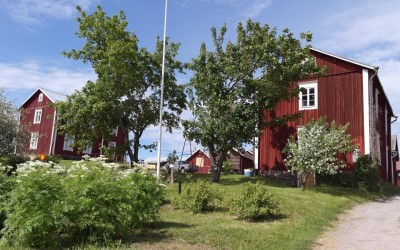
The idyllic courtyard milieu of the Klemets Houses is in many ways unique. No other group of houses built in a similar way has survived in the county. Here can as well be found a versatile selection of exhibitions, such as a textile exhibition, a harmonium museum, a motorcycle exhibition and everyday items associated with peasant life. The atmosphere of the early 20th century can also be sensed in the café, which has been elegantly furnished with 1940s functionalism style furniture.
The idyllic courtyard milieu of the Klemets Houses is unique in a number of ways. No other group of houses built in a similar way has survived in the country. Here can as well be found a versatile selection of exhibitions, such as a textile exhibition, a harmonium museum, a Sunday school museum and everyday items associated with peasant life. The atmosphere of the early 20th century can also be sensed in the café, which has been elegantly furnished with 1940s functionalism style furniture.
+358 40 667 9879
info@klemets.fi
-
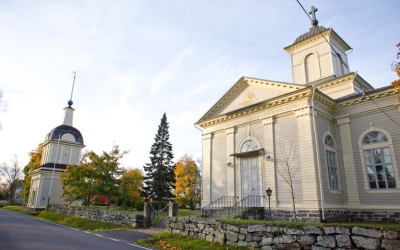
The present church of Korsnäs was built in 1831 and represents Neoclassical style. The bright and spacious church has harmonious proportions. The placement of the altar differs from the usual, as it is located almost in the center of the church.
+358 44 410 1800
https://www.korsnasforsamling.fi/kyrka-och-lokaler/korsnas-kyrka
-
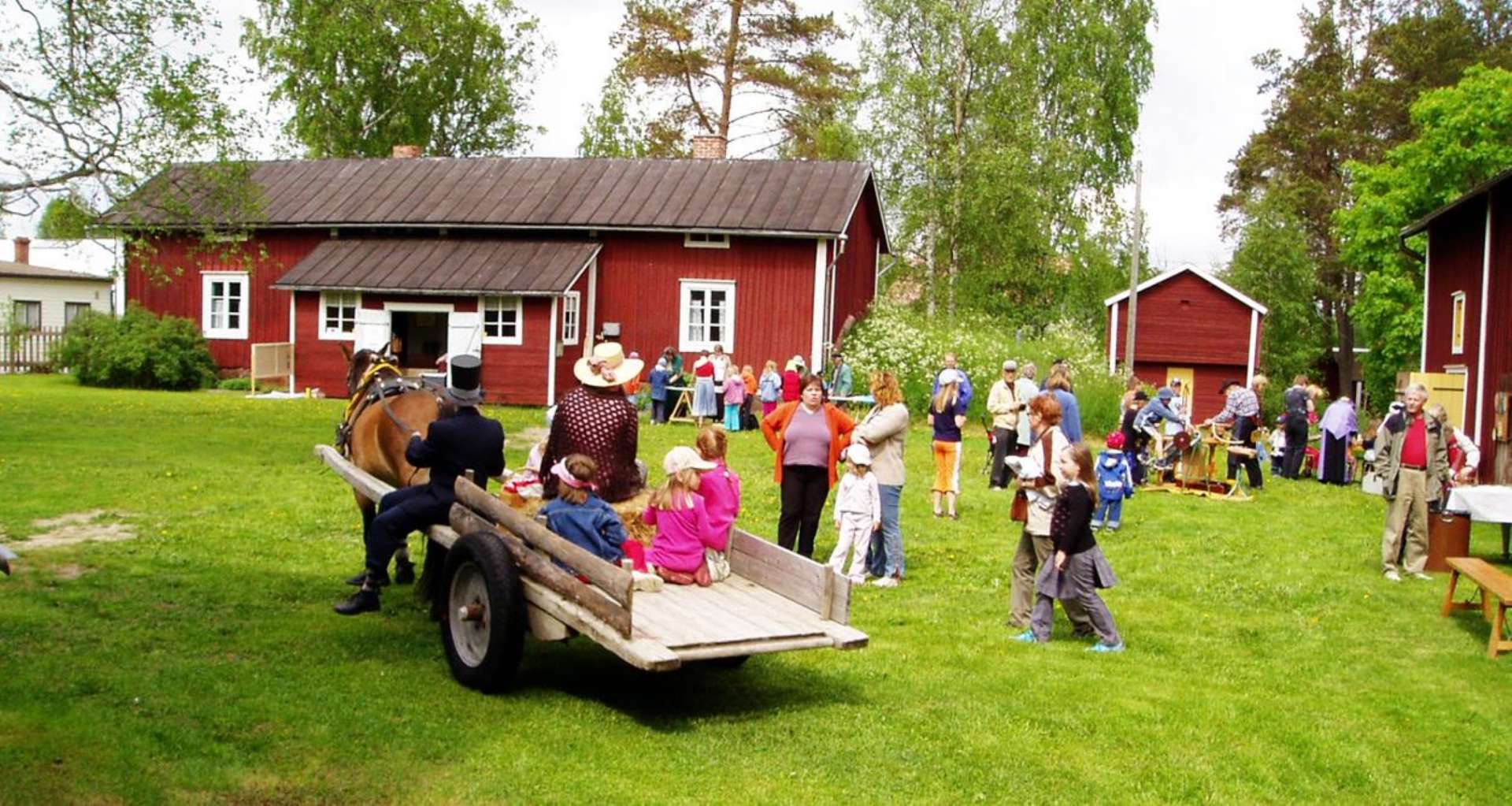
The Korsnäs Local Museum premises today include the old hired hand’s cottage, the windmill, the forge, three rooms in the loft building, and the parish granary across the road. The beautiful museum yard serves as a place for festivities, demonstrations of handicrafts, and games.
The Korsnäs sweater, a special kind of sweater made and used in Korsnäs during the late 19th and early 20th centuries, has experienced quite a renaissance in the last few decades. It is a unique piece of clothing, mainly because it has both crocheted and knitted sections in bright colors. The museum’s collection is comprised of several Korsnäs sweaters of earlier and later origin. The oldest is from 1864.+358 50 351 9488
christina.mannfolk@netikka.fi
-
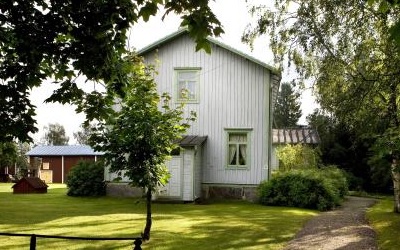
The vicarage dating back to the 1830s has been preserved in the style of the early 20th century. The elegant rooms have been furnished with furniture typical for the period and for vicarages, and the garden creates a park-like atmosphere.
In the Vicarage Museum the visitor gets to see, how an Ostrobothnian ministerial family lived at the end of the 19th century. The Vicarage Museum is one of the two of this kind of special museums in Finland. The interior represents a ministerial home of the period with its original tile stoves from the 1890s. The walls have been papered with newly printed wallpapers modeled on the old Korsnäs patterns.
http://www.museiportalosterbotten.fi/museum-a-o-en/museum/77-korsnas-vicarage-museum
-
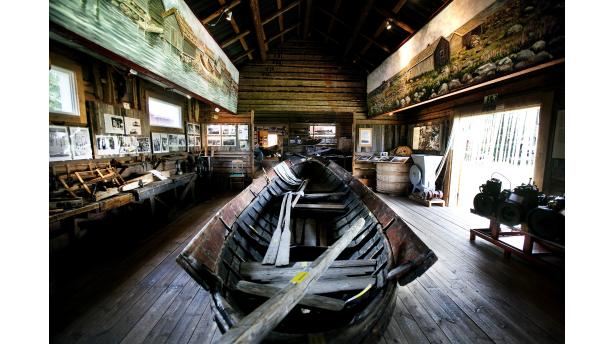
Kvarken Boat Museum is one of the largest boat museums in the Nordic countries. The collection contains 96 traditional (wooden) boats (1850-1993) of different types for varying uses. The boats originate from the province of Ostrobothnia. Besides the boats, exhibited are also tools and equipment used in the region for fishing and hunting. Fisherman’s cottage. Exhibitions.
The museum is situated in Åminne in a culture-historically valuable coastal surroundings in Malax.+358 6 365 1933
https://www.museiportalosterbotten.fi/museum-a-o-en/museum/75-kvarken-boat-museum
-
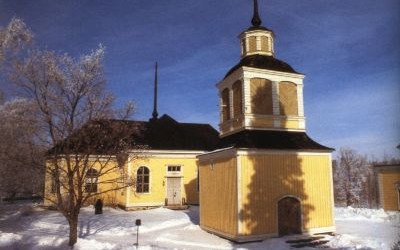
The church was built between 1691 and 1693, with the master builder being the farmer Hans Larsson Qweflander from Koivulahti. The main log construction work was likely carried out in 1692. The church was consecrated on the fourth day of Christmas that same year.
Koivulahti Church, with its octagonal nave, represents an art-historically unique type of church and is the oldest example of this building type in Finland. When the church was converted into a cruciform (cross-shaped) church during an expansion in 1794–1795, it almost completely lost its original appearance.
+358 44 546 2301
kvevlax.forsamling@evl.fi
https://www.kvevlaxforsamling.fi/kyrka-och-lokaler/kvevlax-kyrka
-
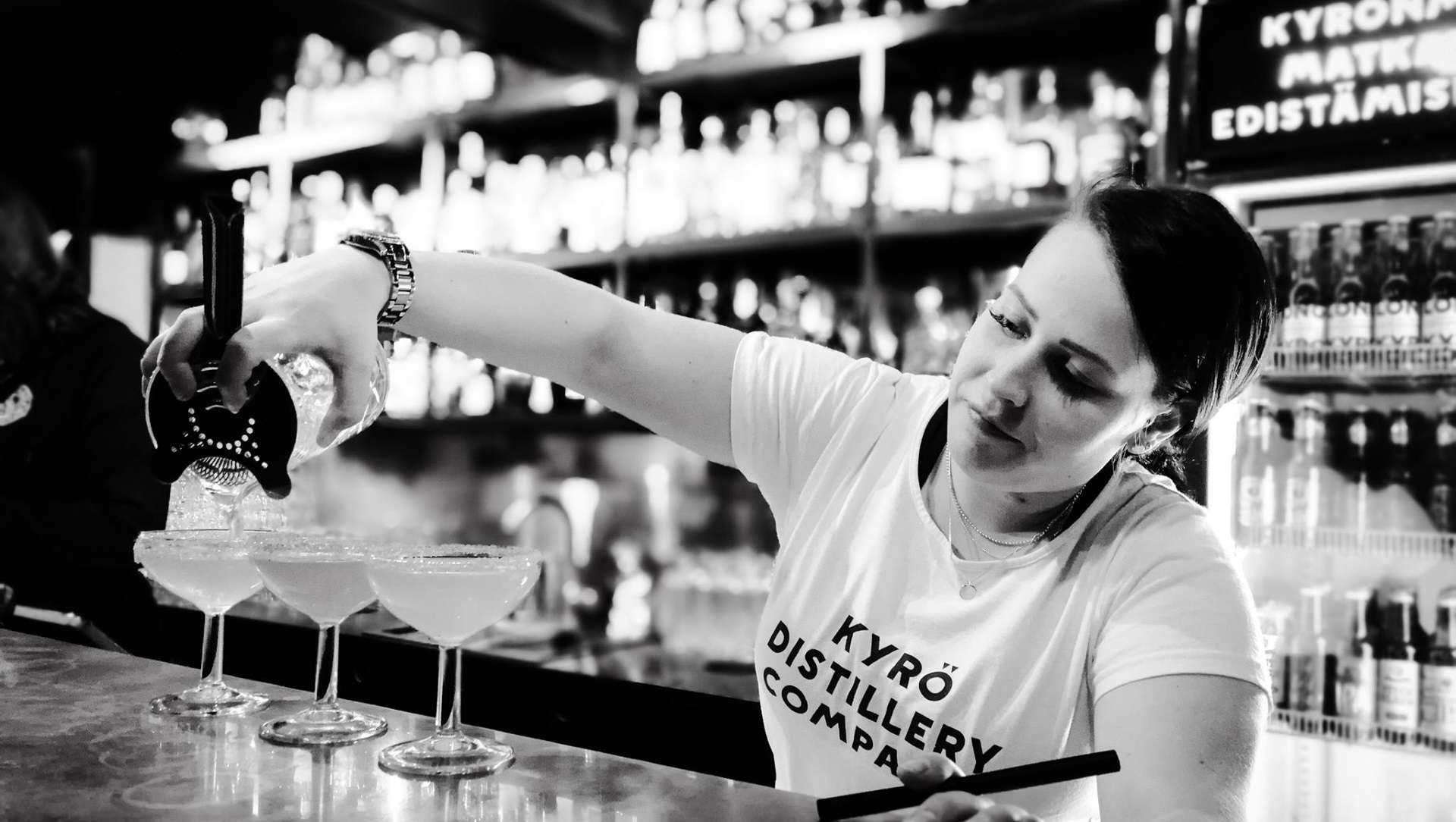
Distillery full of stories, scents and tastes
Kyrö Visitor Center is located at the distillery premises in the picturesque village of Isokyrö on the banks of the river Kyrö. We are open on Saturdays For group reservations we are open around the year. Our restaurant kitchen is open only for group reservations. At the Visitor Center you will hear the story of Kyrö in our distillery tours, get to taste the delicious ryeful products in tastings, and, of course, enjoy our wonderful cocktails served in our lovely restaurant. You can also catch art exhibitions from local artists and purchase delightful Kyrö items at our distillery shop.
Check the company’s web page, for more information about private and public tours.
visit@kyrodistillery.com
-
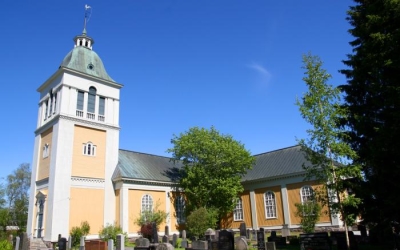
The plans for Laihia’s third church were approved by the Office of the Chief Intendant in Stockholm in 1797, and it was built by the Vaasa city councillor Herman Höckert between 1803 and 1805. Stylistically, it represents early Neoclassicism.
+358 6 477 7700
-
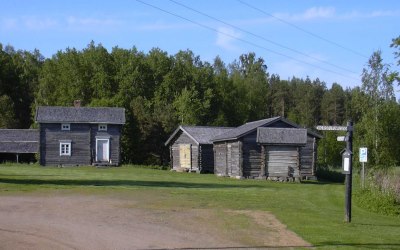
The Laihia Museum and the Museum of Stinginess are a versatile travel destination for the whole family. The objects and buildings in the museum tell the tale of a typical Ostrobothnian estate of the late 19th century. The famous stinginess of the people of Laihia is represented with worn-out items, with a twinkle in the eye.
The Laihia Museum is situated in the Rapila House built in 1827. The building is on its original site, but the museum was relocated there in the 1970s. Rapila used to be a wealthy estate; the walls were for instance painted and decorated with floral patterns.
In the museum are over 5 000 artefacts and 16 buildings, the oldest one of them a grain barn from the year 1731. The objects date back to the 18th and 19th century. One of the oldest items in the museum is a bridal bench with the year “1683” carved in its back. There are also displayed grave heaps discovered in Laihia and for instance ancient findings dating back to the Iron Age. On view in the attic are tools and textiles, for example pieces of clothing from the wartime.
+358 40 501 8521
-
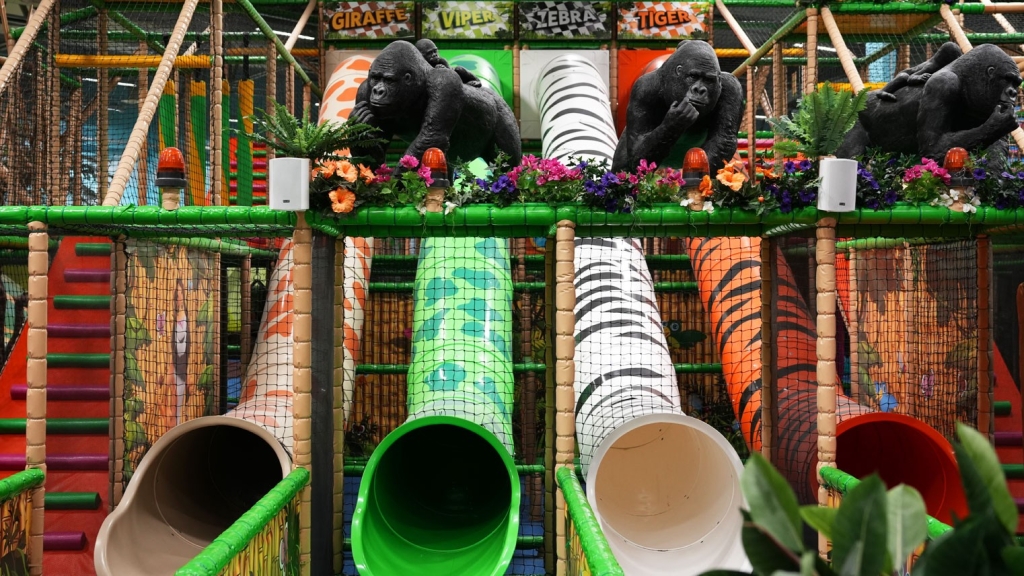
Kids love moving, climbing and bouncing. At Leo’s, your imagination whispers kids for adventure, and the successes of the experience increase your mouths to your ears. At Leo’s, you will have fun moments from the family’s joyful playtime to a memorable birthday party.
+358 274 4455
vaasa@leosleikkimaa.fi
-
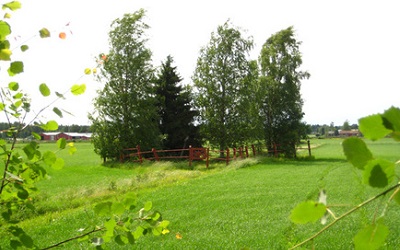
The site colloquially known as Leväluhta sacrificial spring is an internationally significant water burial ground from the Iron Age, where bones from nearly a hundred individuals have been found. According to studies, the burial ground was used between the years 300 – 800 AD.
Over its thousand-year existence, Leväluhta’s shape has changed as a result of land uplift effects. Leväluhta is one of Finland’s most famous archaeological sites and it holds international importance.
Burying in water was also rare during the Iron Age; cremation of the dead was the prevailing tradition. The reasons for the submersion in Leväluhta are unknown. Even with today’s research, the entire history of Leväluhta is not known. The bones found in the water grave are unusually well-preserved because they have been submerged in oxygen-free clay.
Over the centuries, the spring that bubbles red in the spring has sparked people’s imagination, and one can only guess what was thought of it during the Iron Age. The mysteries persist, and the site changes as the land rises. Will the true knowledge of the past emerge?
-
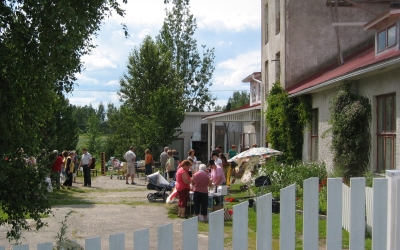
The Art Factory is an independent production-house that focuses on the realization of ideas and where artists from different disciplines can gather, create and share their ideas and works. Malakta is a space that offers facilities to artists in different fields and as production company initiates innovative projects and productions.
+358 45 807 5677
-
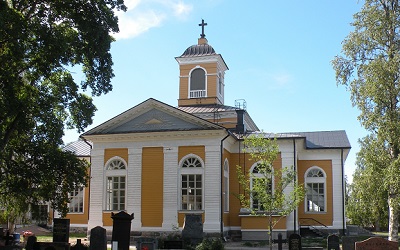
This, the third Church, of the congregation was designed by C. Bassi, and erected under H. Kuorikoski’s management 1828-29. The bell tower, which is the designed by the famous architect C. L. Engels, was built in 1832.
https://www.malaxforsamling.fi/kyrka-och-lokaler/malax-kyrka
-
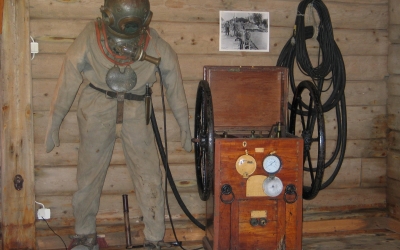
Vaasa used to be an important shipping company and maritime city. In the Vaasa Maritime Museum are displayed local maritime traditions from the shipbuilding of the 19th century to the present day luxury yachts. Various fascinating objects, scale models, shipwrecks and photographs give a glimpse of the life of old time seafarers.
The Vaasa Maritime Museum is located on the shore of the Palosaari strait. The strait was for over 150 years the outport of Vaasa and the centre of shipbuilding. In the 19th century and early 20th century the shore was bordered with the shops and magazines of traders, and the museum is situated in one of these old salt magazines. Ship-owner Wolff had a salt magazine constructed in the middle of the 19th century and the building has been well preserved thanks to the conserving effect of salt. There are four original harbour magazines on the area altogether, one of which probably dates back to the late 18th century and has been relocated on the area from Old Vaasa.
+358 50 382 8771, +358 50 575 9489
http://www.museiportalosterbotten.fi/museum-a-o-en/museum/86-maritime-museum-of-vaasa
-
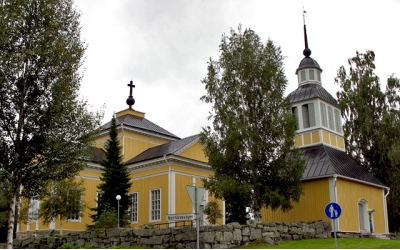
The church of Maxmo, located in the church village of Maxmo, was built in 1825. The bell tower is part of an older church dating back to the 18th century, which previously stood on the site.
+358 44 344 5000
-
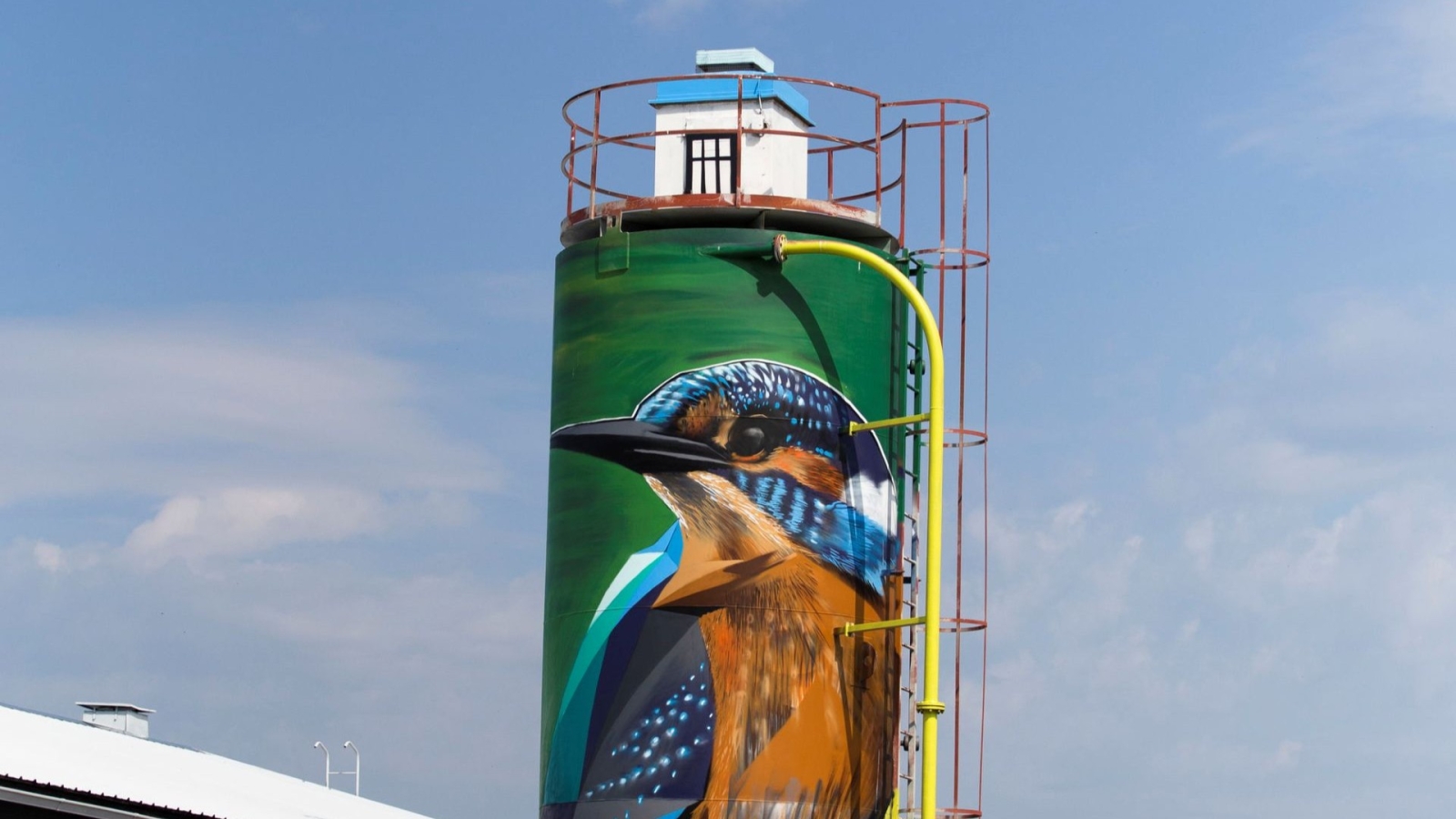
There are a total of 18 mural paintings in the municipality of Malax. Ten of them have been painted through the municipality of Malax’s project in collaboration with the artists. Some of the murals have received partial funding from the Swedish Cultural Foundation. Eight of the paintings have been carried out through the Mural Rural project by Art in Malakta. There are nine mural paintings in Yttermalax, two in Övermalax, three in the Pixne area (Malakta), two in Petalax, and two on Bergö.
https://www.malax.fi/fritid-och-kultur/kultur/muralmalningar/
-
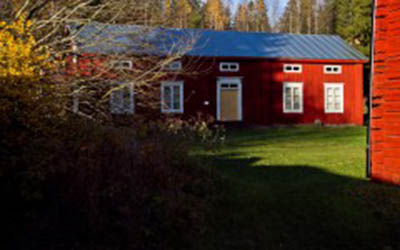
In the Myrbergsgården museum the visitor can get acquainted with the peasant way of life in the old times as well as with one of the finest garment and textile collections in the municipality. In one of the houses across the yard can be seen a unique gathering of beautifully painted church sleighs, which the people of the house used in order to get to the church on Sundays.
The Myrbergsgården museum area in Vörå nowadays consists of around 17 buildings, which have been relocated on the region from different villages in Vörå. In addition to the agrarian house here can be found for instance a functioning smithy and a windmill. To the museum also belongs a loan grain magazine from the year 1753, which is among the three first ones in Ostrobothnia.
The museum’s textile collection is one of the finest in the municipality and it comprises of approximately 6 000 various textiles.
+358 50 468 5542,+358 50 5721827
http://www.museiportalosterbotten.fi/museum-a-o-en/museum/53-myrbergsgarden
-
Nature trails and hiking routs in the Vaasa Region
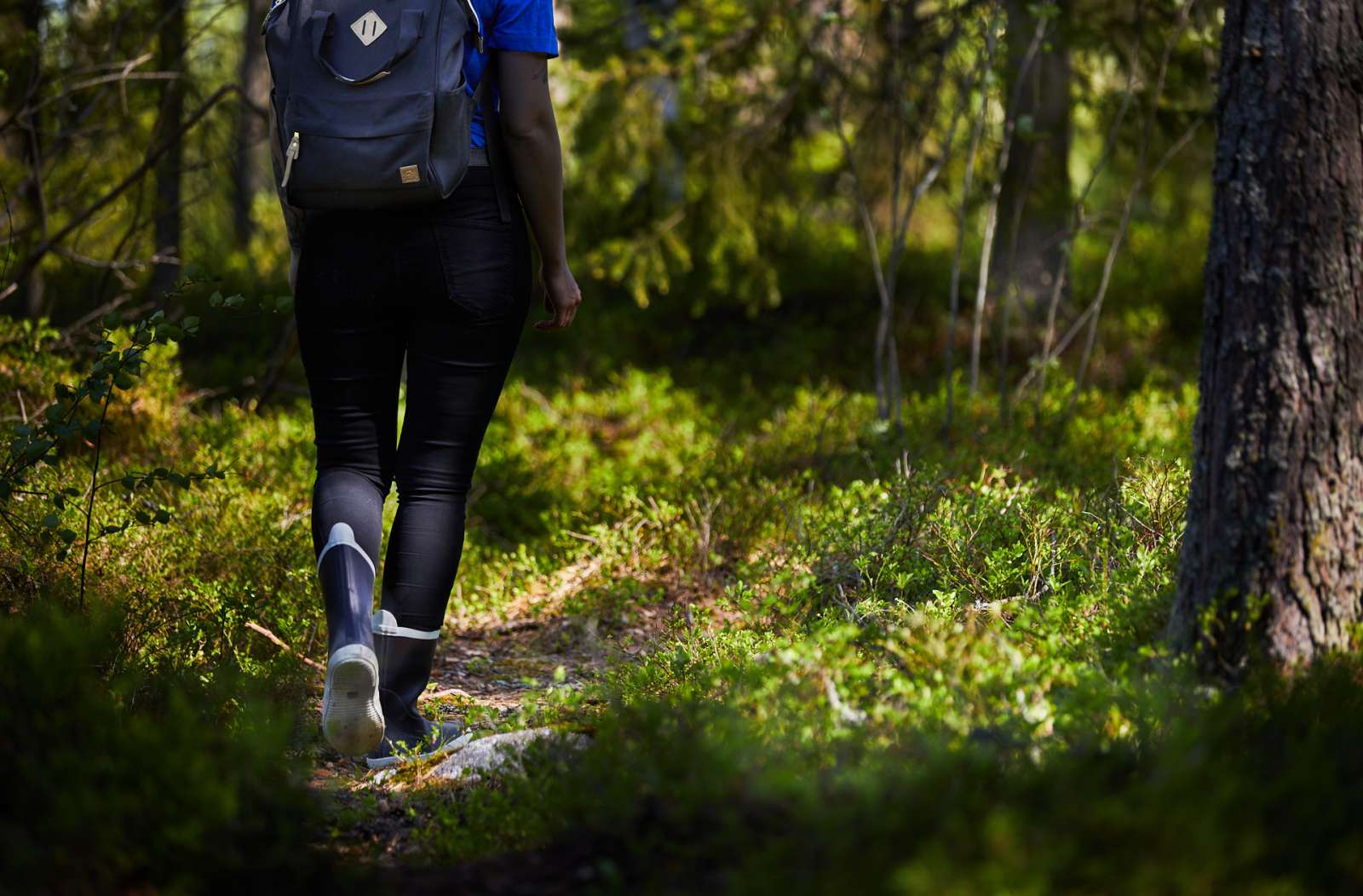
There are many nature trails and hiking routs in the Vasa region. There are paths and routes of different lengths, so everyone will surely find a nice route to hike!
-
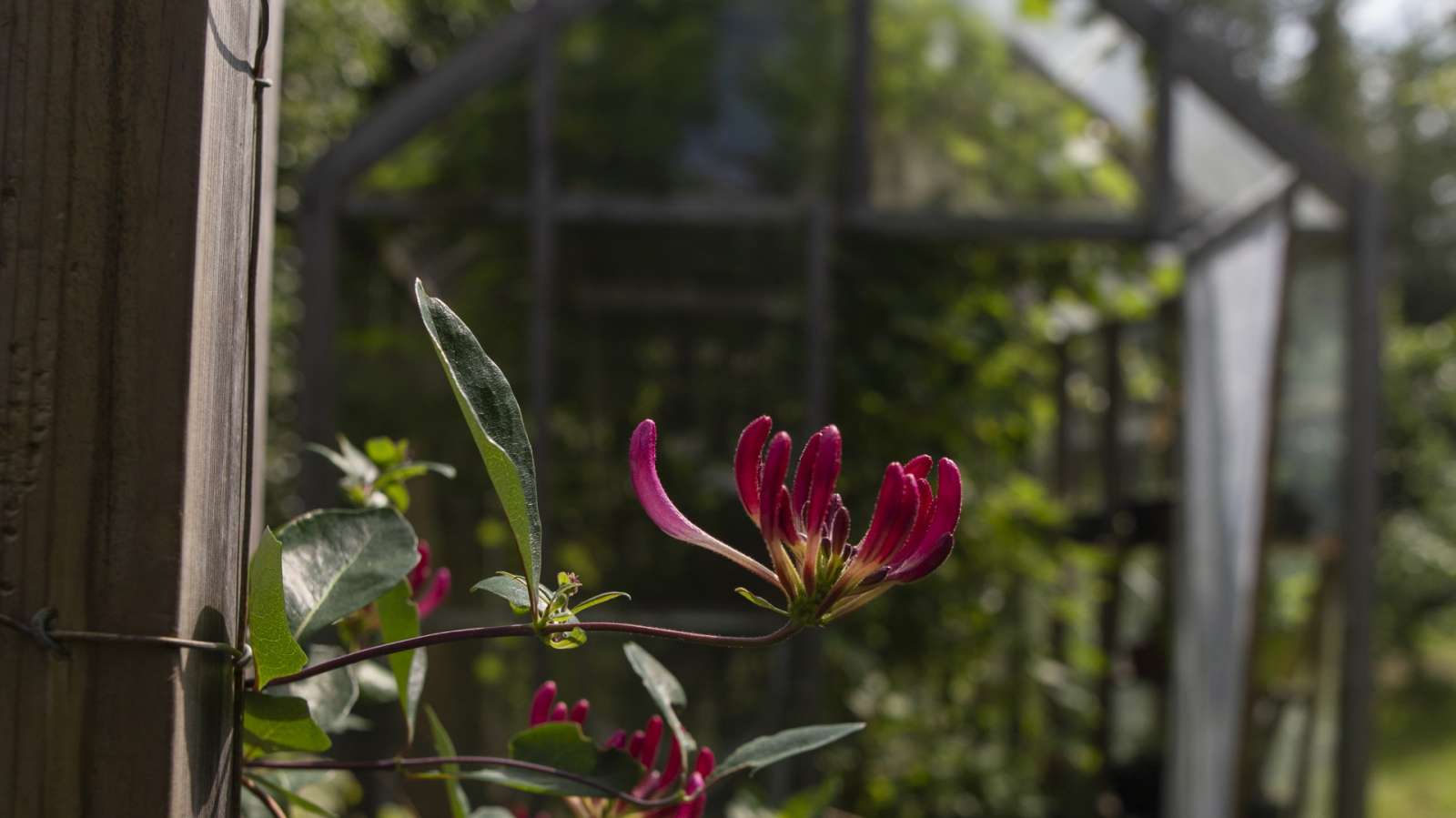
Niittytila-Änggård’s plant nursery is located on Bergö, in the Malax archipelago, outside Vaasa.
With us, you will find self-grown plants and plants from most nurseries in Finland and Europe. In addition to traditional well-known plants, we try and offer new and exotic plants from different plant zones. We have fruit trees, useful trees / shrubs, ornamental trees / shrubs and vines. Upon request, we try to bring home plants that do not belong to our existing range.
+358 44 235 0036
myynti@niittytila.com
-
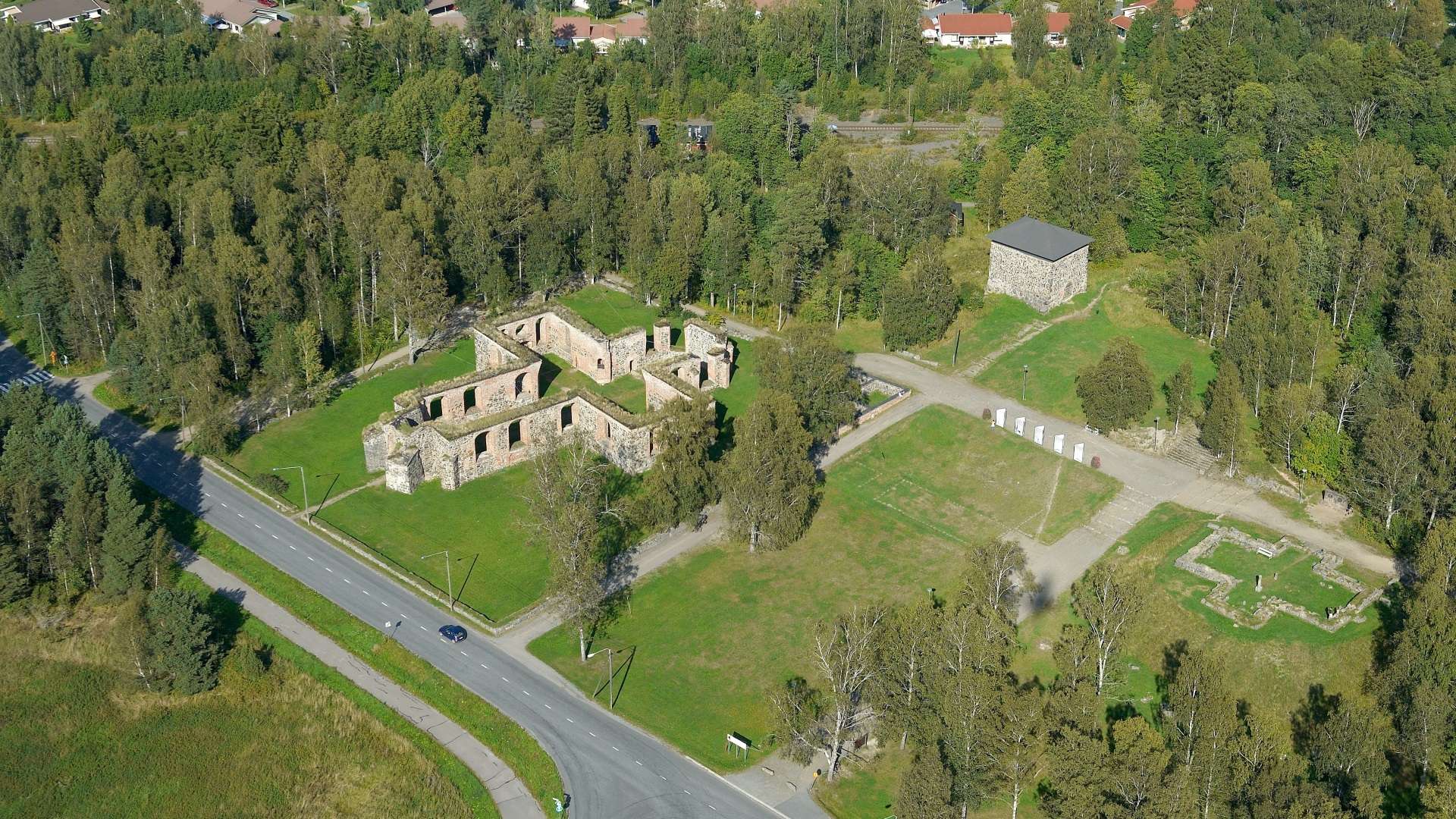
Old Vaasa (Finnish Vanha Vaasa, Swedish Gamla Vasa), is situated approximately 7 km southeast of Vaasa city centre and is classified as a valuable landscape area of national significance. Vanha Vaasa is an area with much to offer, embodying sights and attractions reflecting culture, ancient history, settlement and natural beauty.
The history of Vaasa can be traced to the early 14th century when sailors from Norrland landed on a forested island at the site of Old Vaasa. In the 1370’s Korsholm Castle was already being built on the spot. After the last ice age the land has been continuously rising in these parts of Finland. At the time Korsholm Castle was built, the area between Old Vaasa and the present town was under water and the coastline was further inland compared to the current one. Even as late as about 200 years ago ships sailed to Vaasa along the channel that now, almost filled in, meanders across fields.
On a hot August morning in 1852 a disastrous fire broke out in Vaasa. The houses had either thatch or bark roofs and buildings were separated only by narrow gaps. By nightfall the flourishing town had turned into smoking ruins.
Vaasa was rebuilt some seven kilometers closer to the coast. The relocation provided better prospects for trade and a better harbour as well as a safer and more modern town plan. The legal town status of Vaasa was moved to new Vaasa in 1862. By the 1880’s, the construction of the Vaasa railroad had begun and a station building was erected in Old Vaasa. However, the area did not begin repopulating until the 1920’s.
Read more about the history of Old Vaasa.
-
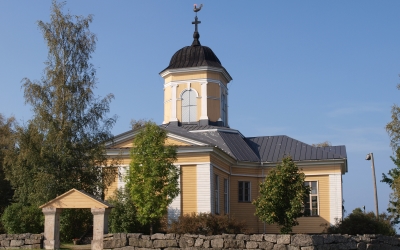
The church of Oravais was built in 1796–1797. The church plans were based on the initiative of the renowned church builder Jacob Rijf from Nykarleby. The church was last renovated in 1961–1962, and the interior painting was renewed in 1992. The organ, built by B.A. Thulén, was taken into use in September 1879.
+358 44 344 5000
https://www.voraforsamling.fi/kyrka-och-lokaler/oravais-kyrka
-
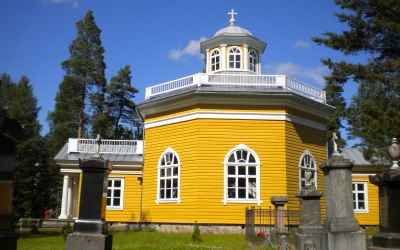
Orisberg church is one of the few private churches in Finland. The Church, designed by architect Carl Ludvig Engel, was inaugurated in 1831.
+358 40 511 9599
orisberg@sana.fi
https://kansanraamattuseura.fi/lomakeskukset/kesakeskukset/orisberg/
-
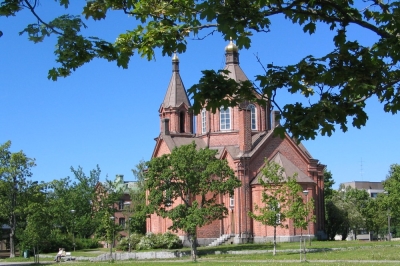
The Ortodox Church of Vaasa was built in 1862 and consecrated 21.9.1866. The church is built as a Byzantine Gothic cruciform church.
vaasa@ort.fi
-
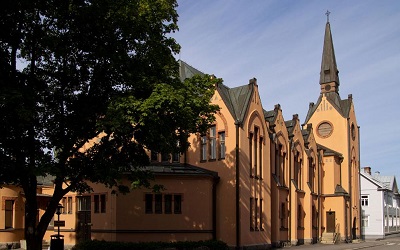
The Jugend-style Palosaari Church, designed by A.W. Stenfors, was built in 1910. The church interior was thoroughly renovated in 1988, and the facades were restored in 2001.
+358 44 480 8403
https://www.vaasansuomalainenseurakunta.fi/kirkot-ja-tilat/kirkot/palosaaren-kirkko
-
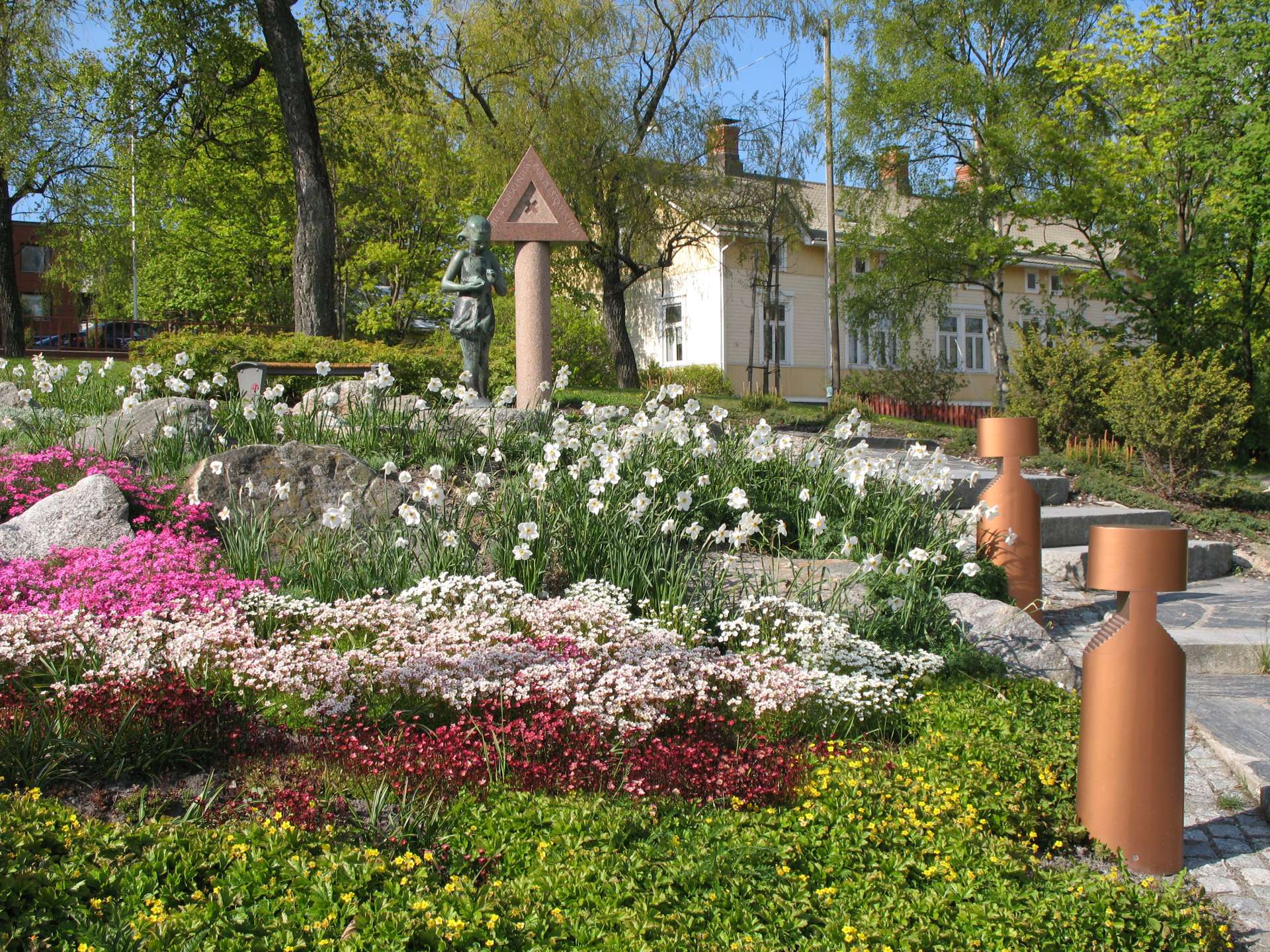
Vaasa has more than 150 hectares of parks
Parks are a central part of the cityscape in Vaasa. New and old, small or large – you will certainly find the places that are right for you among our parks. Enjoy a well-kept environment and admire the wide variety of vegetation growing there.
For example, the historic, lush and well-kept parks create interesting routes for visits and recreation by the city waterfront area. The proximity to the sea gives the landscape its unique appearance and forms a strong picture of life in Vaasa.
Parks provide visitors with opportunities for recreation, well-being, mobility, social gatherings and events – while at the same time allowing visitors to simply sit still and enjoy the nature if they choose. Parks are great meeting places, where you can do things alone or with others.
https://app-production.vaasa.hion.dev/en/living/freetime/parks-and-green-areas/parks/
-
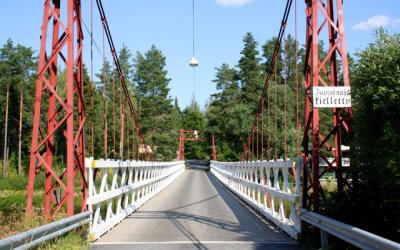
Perttilä’s bridge is Finland’s oldest steel suspension bridge open to traffic. It was built according to a Norwegian model between the years 1909-1910. The wooden deck of the bridge has a total length of 86 meters.
The suspension bridge crosses the Kyrönjoki River at the Perttilä rapids. The suspension bridge is located near the Napue memorial and is still in use.
-
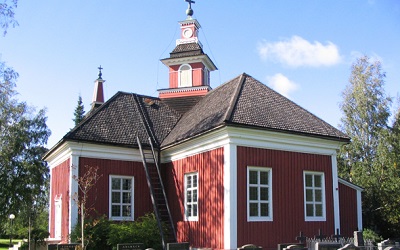
A wooden church with a cross-shaped basic form. Built in 1805 by Nathanael Rönnblad from Pörtom. The building of the belfry began in 1832 and the builder was Henry (Heikki) Kuorikoski from Kaustinen.
malax.forsamling@evl.fi
-
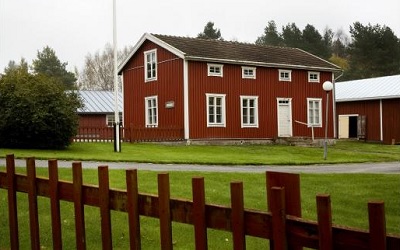
Petalax museum is situated just across from the church of Petalax. The museum is an important part of the traditional buildings that the local historical society owns in the church square. The lower floor of the museum is decorated like an old peasant’s cottage. On the upper floor there are collections of various objects.
petalaxhembygd@gmail.com
-
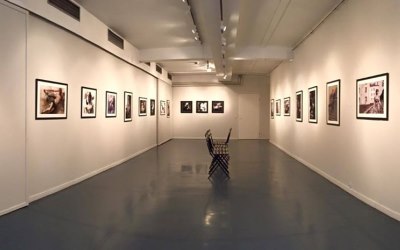
IBIS is the only gallery in Vaasa which is completely concentrated in photo arts.
-
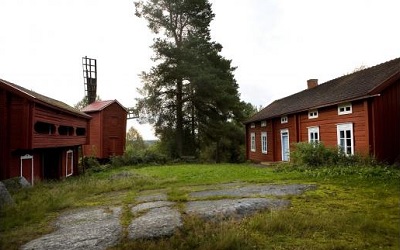
On the Rejpelt Fädernegården the visitor gets an idea about country life at the end of the 19th century. The cabin’s interior, which is typical for the period, offers the framework for exploring local historical items. The girls’ barn with its colourful textiles is also truly worth a visit. In the proximity of the museum is the Munter’s soldier cottage, which is connected to The Tales of Ensign Ståhl.
Fädernegården is a typical Ostrobothnian double cabin, built in 1852. The house was relocated on the area in the 1950s and the museum area has been constructed on the model of a peasant house with its lofts and barns. All of the museum’s buildings originate from Rejpelt, except for the windmill, which has been transferred from Korsnäs.
http://www.museiportalosterbotten.fi/museum-a-o-en/museum/29-rejpelt-fadernegard
-
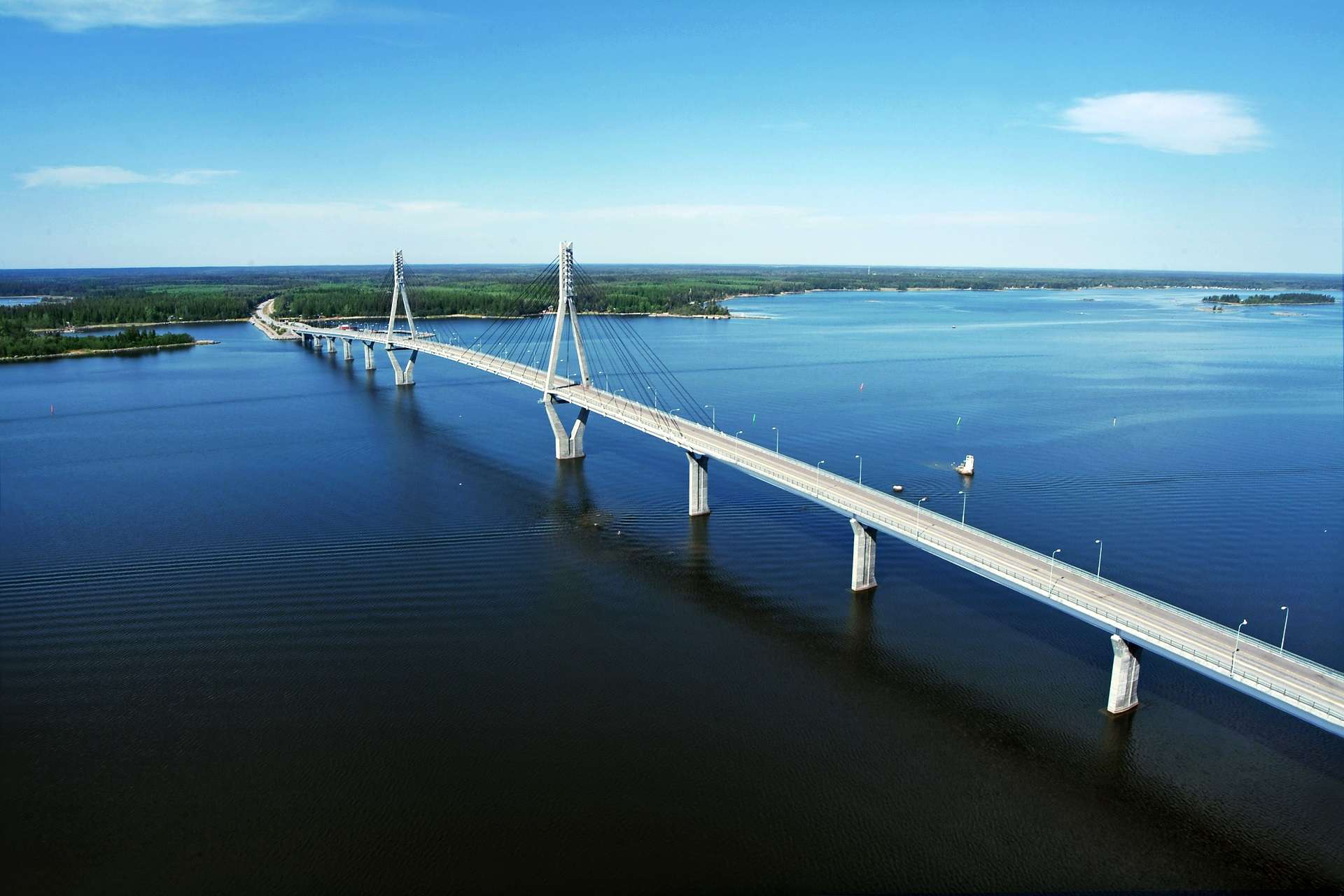
Let the Replot bridge lead you to the northern part of the Kvarken Archipelago World Heritage area!
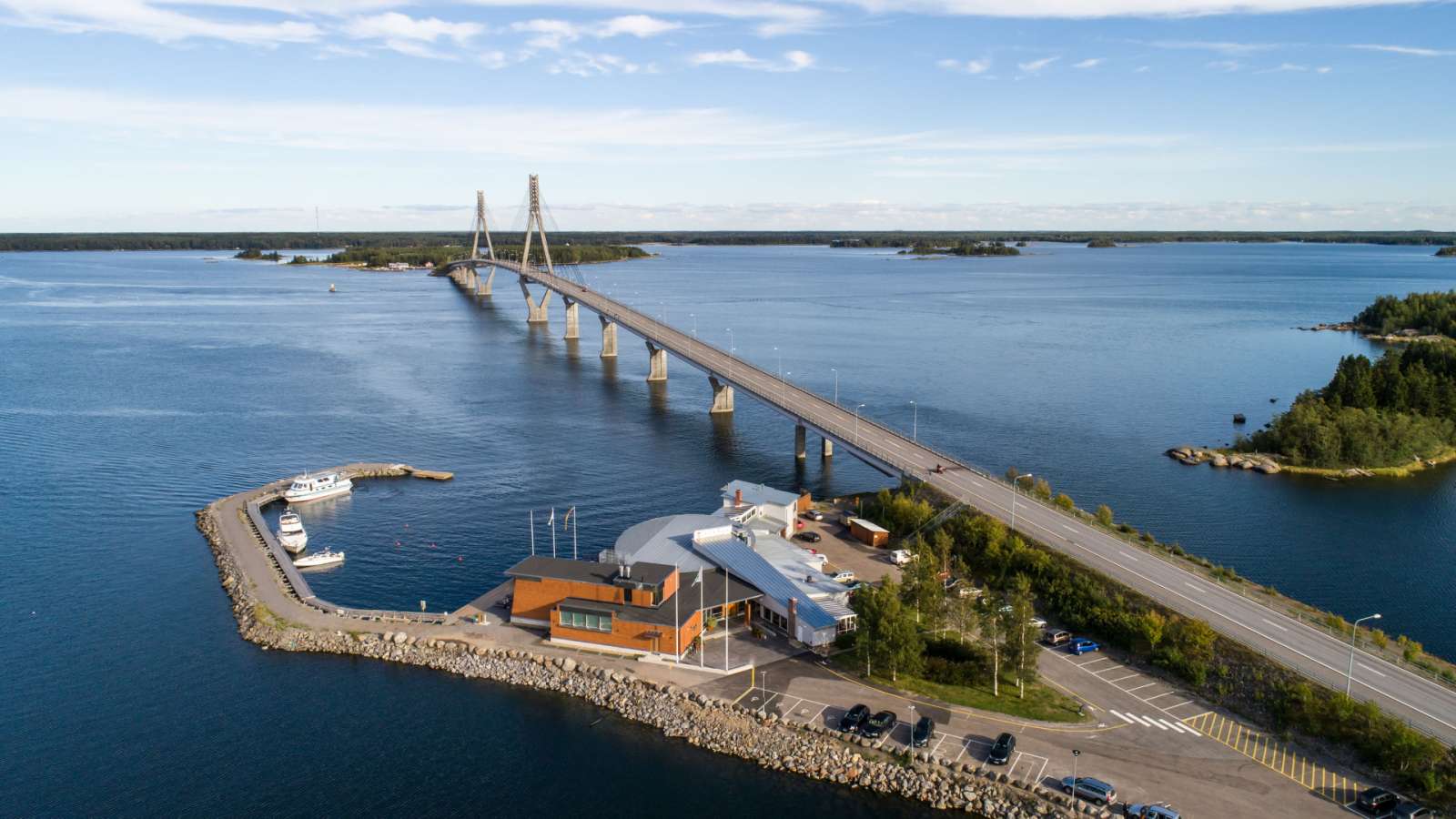
The bridge is 1045 metres long which makes it the longest bridge in Finland. By the bridge, park your car at the parking area by the Restaurant and Café Berny’s, walk up to the bridge and take in the scenery. Visit also the World Heritage Gateway in the same premises with the restaurant. There you can get tips for your trip to the archipelago.
The bridge opened in 1997 and Martti Ahtisaari and Ólafur Ragnar Grimsson, the previous presidents of Finland and Iceland, attended the opening on the 27th of August. The bridge replaced ferries and thousands of people cross the bridge every day. The pylons rise 82,5 meters above sea level and the clearance height for boats is 26 meters.
Photo: Esa Siltaloppi/ES Visuals
-
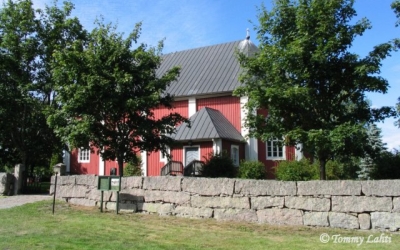
The Gustav Adolf Church in Replot village was built in 1781 and stands on the hill called Skieppskatts-backen. The church was built as a so called long church with a steep roof. In the 1840s, the church received its altar construction and pulpit from the Sankta Maria church in Old Vasa, and so were saved from the great fire of 1852.
+358 44 3560 543
replot.forsamling@evl.fi
https://www.replotsforsamling.fi/kyrkor-och-lokaler/replots-kyrka
-
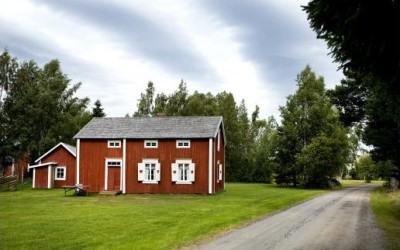
The Replot Local Museum is situated on the Alexandersgatan in the middle of the village of Replot. The museum represents a typical islander farm. In the collections are both utensils and furniture from the 18th and 19th century and handmade clothing for both the young and the old.
replotmuseiforening@gmail.com
http://www.museiportalosterbotten.fi/museum-a-o-en/museum/56-replot-museum
-
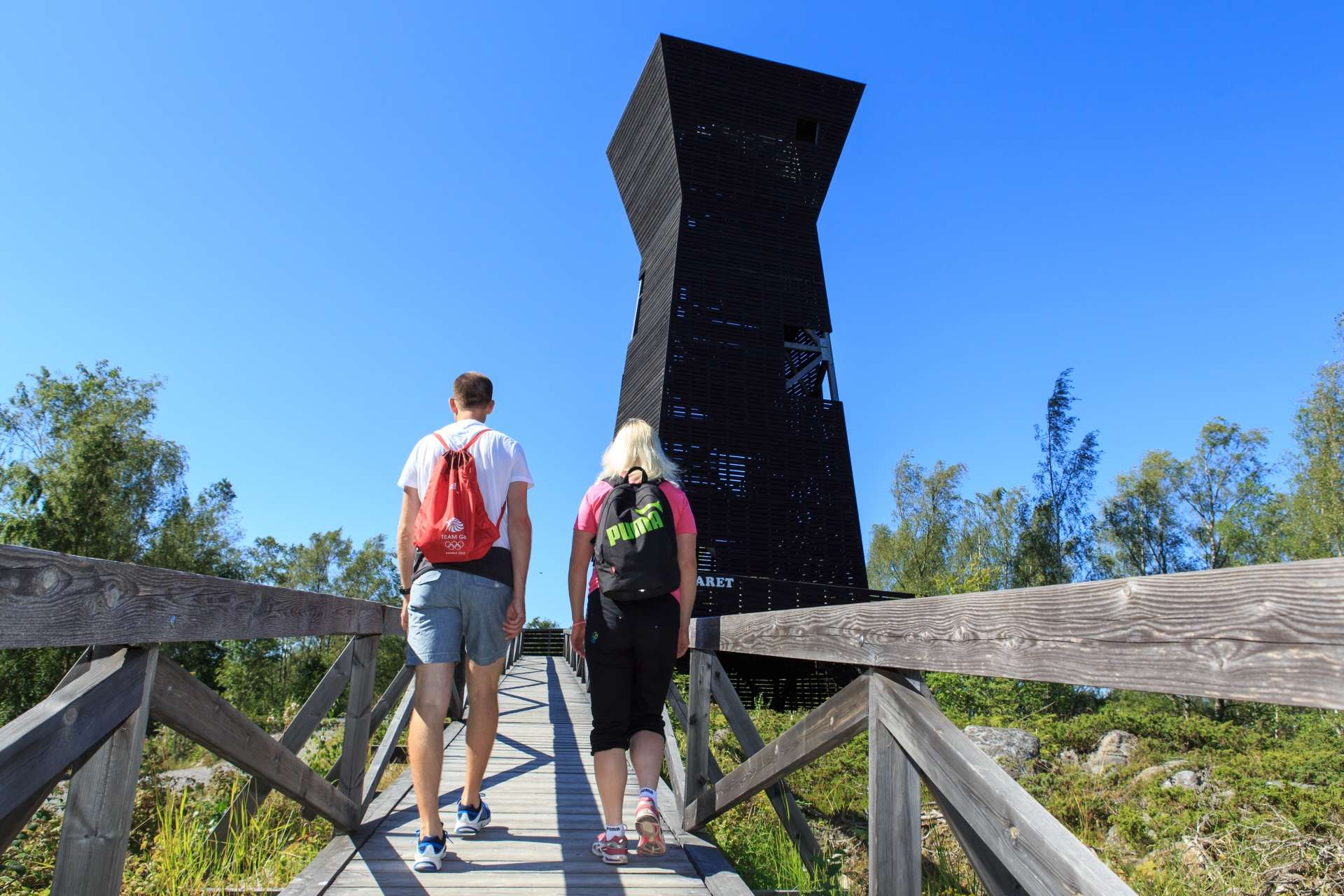
Observation Tower Saltkaret
The impressive, tar coloured Saltkaret raises to over 20 meters height in the World heritage area of Kvarken Archipelago. The tower, located in the fish harbour Svedjehamn, offers a beautiful view over the De Geer-moraines. This unique moraine archipelago affirms the enormous power of the last ice age in the Kvarken Archipelago.
The visible area from the tower is a perfect example of the De Geer areas in Finland. The tower also pleases many bird-watchers, as many of the typical bird species of the island can be spotted in the area, such as black coots, terns and sea eagles. The wooden observation tower is also an excellent intermediate stopping point for hikers, because it is located directly by the hiking trail. You can reach the lower level of the tower also with prams or wheelchairs.
Driving directions to Saltkaret:
Saltkaret is located in Svedjehamn, which is in the municipality of Korsholm, about 40-45 minutes drive northwest from the centre of Vaasa. From Vaasa: drive on road number 742 (Alskatvägen/Alskatintie) north towards Replot (Raippaluoto) approximately 20 kilometres. After Replot continue straight on road 7240 (Replotvägen/Björkövägen OR Raippaluodontie/Björköntie) approximately 20 kilometres and you’ll arrive to Svedjehamn harbour where the road ends.
There is a free parking place in Svedjehamn. The observation tower can already be seen from the harbour and the parking place. Next to the parking place there is an information sign about the Björkö-Panike hiking trail. The observation tower is located by this trail; about 600 metres walk from the parking place.
You can find the map of the area and further information from excursion map.
-
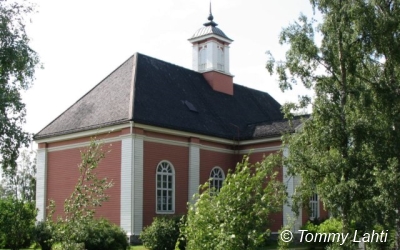
Wooden church from 1786.
+358 44 770 8122
solfs.forsamling@evl.fi
-
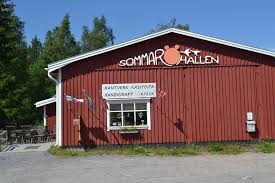
Sommaröhallen is a local shop for handicraft, local food, flowers, and a coffee shop in Södra Vallgrund in the Kvarken World Heritage Archipelago.
+358 6 3527 830
-
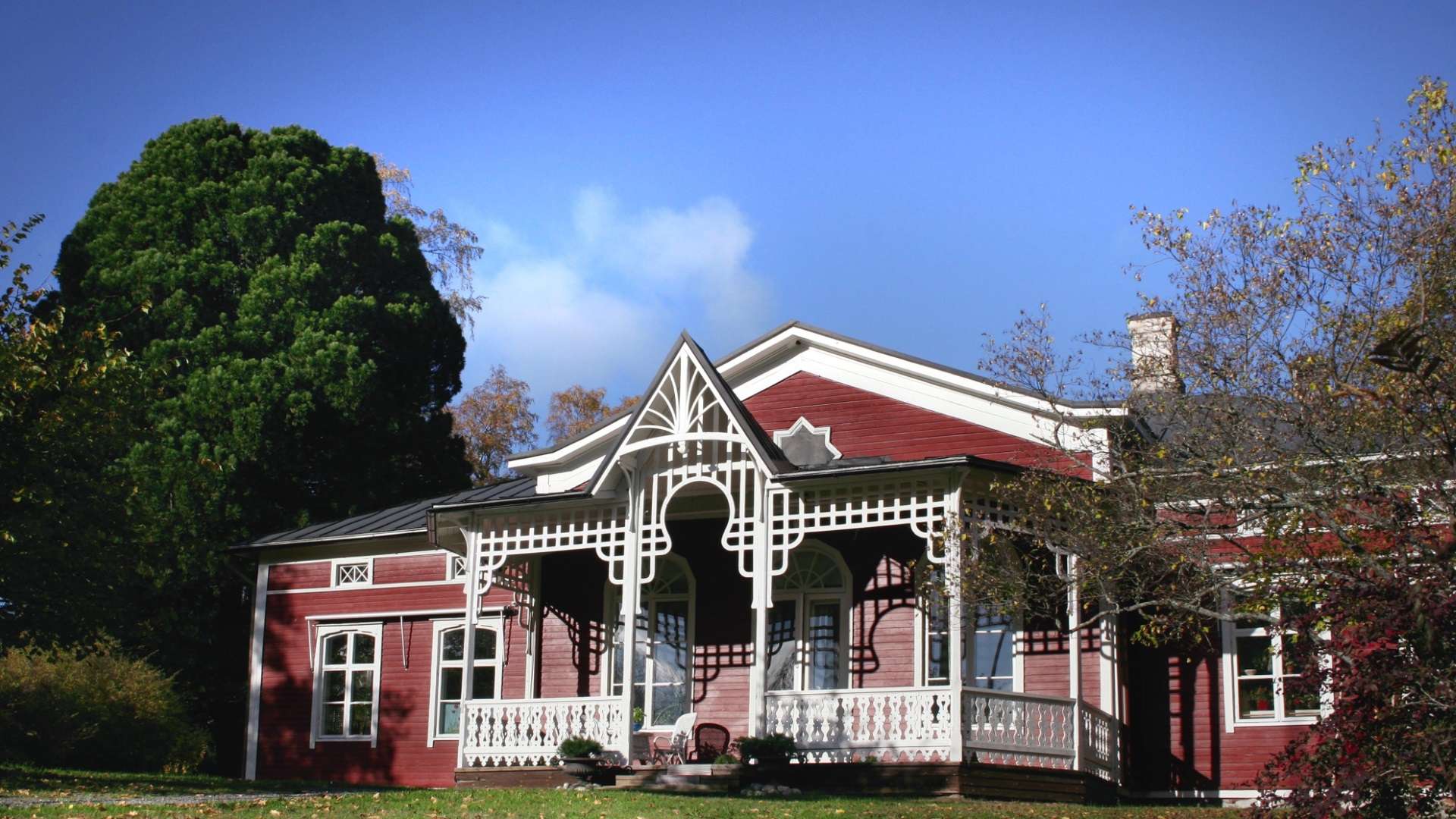
Strömsö is known as the recording venue for the popular TV show Strömsö, a Lifestyle program that deals with things that you do at home or at your leisure time. The first program was broadcast in 2002 and ever since its inception, it has been at the top of Svenska Yle’s most viewed program, so millions of Finns know this environment. The program is also broadcast in Sweden via SVT. The recording site is located in the district of Västervik, about 10 kilometres from the centre of Vaasa.
Strömsö is also the name of the building where the program is recorded. The building, built in the 1850s, is beautifully situated in a park, and in the area there are various projects that were made in the TV program.
You can on your own visit and walk around the area. There is also a well-visited beach and a nice lawn for picnics or sunbathing.
If you as a private person want to go inside the buildings, this is possible during the summer one of the public guided walks. Read more and book your ticket at https://visitvaasa.bookingonline.fi
Group visits to Strömsö can be made, all year round, at such times as the work with various TV recordings so permits. For more information visit the page: Group visits at Strömsö
-
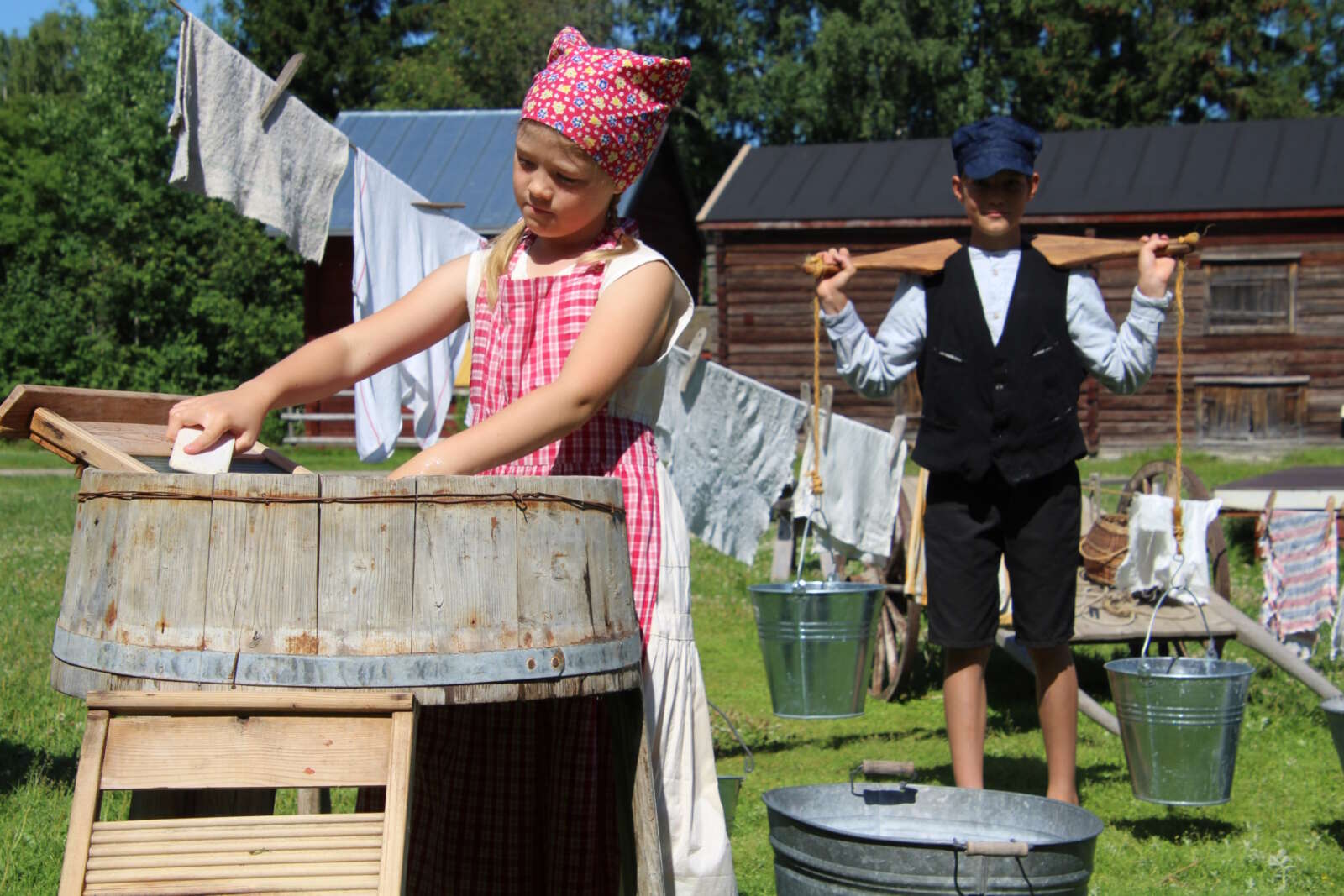
Stundars is a large open-air museum in Solf village, about 15 kilometers south from Vaasa. The museum tells the stories of what life was like for the peasantry, craftsmen and lower social classes on the Swedish-speaking countryside, from Oravais in the north to Pörtom in the south, during the period of 1870-1920. The museum village have about 70 buildings including a country shop, a school, a farmstead, and crofters’ cottages.
Come see where the Ostrobothnian forefathers slept, ate and laughed – how did they really fit in the short bunkbeds? Maybe we’ll have an old-time washing day when you visit, or maybe we’ve made coffee over the fire and you’ll get a cup? Or maybe you’d just like to stroll around the picturesque museum village in your own pace and maybe, just maybe hear the grey timber walls whispering of times gone by…?
The Stundars Open-Air Museum area is open for recreation all year round, but during the summer season the cottages of the museum village are open every day. Outside opeing hours you are free to take a stroll in the open-air museum, but the cottages will be closed.
Stundars’ museum village offers an opportunity to walk through historical landscapes, next to farms, village schools, and crofters’ cabins. Through Stundars it is easy to walk further to the Söderfjärden hiking trail, to explore the former wetlands in the giant meteor crater, as well as climb up the bird-watching tower. The Stundars trail is also a part of the pilgrim’s way St Olav Ostrobothnia. We welcome you to enjoy a walk through dog-friendly Stundars.
On Thursdays during autumn, winter and spring, there are free guided tours and other activities at the museum from 12 to 3 pm, as advertised. You can find a more detailed program in our calendar, and on our Facebook-page and Instagram account. During the Museum-Thursdays, there is free entrance.
+358 6 5709 9000
info@stundars.fi
-
-
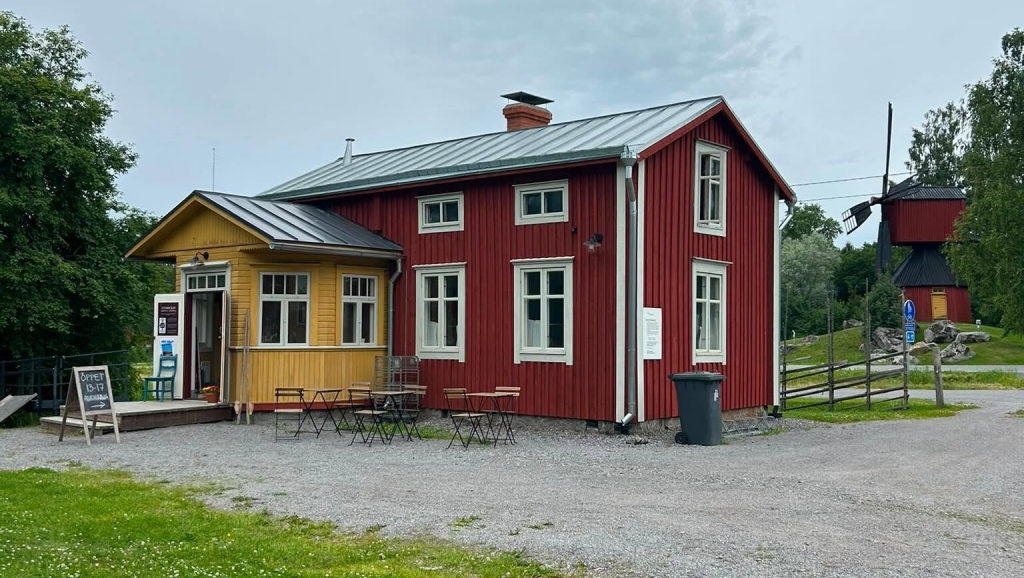
Sundom Local Heritage Museum is located in the village of Sundom and is operated by the Sundom Village Association. The museum grounds feature several historic buildings that showcase the history and cultural heritage of Sundom. During July, the museum is open to visitors in connection with the summer café, and it also opens during special events throughout the year. Visits can also be arranged by appointment, with guided tours available on request. The museum is a welcoming place where local history and traditions are preserved for future generations.
museum@sundom.fi
-
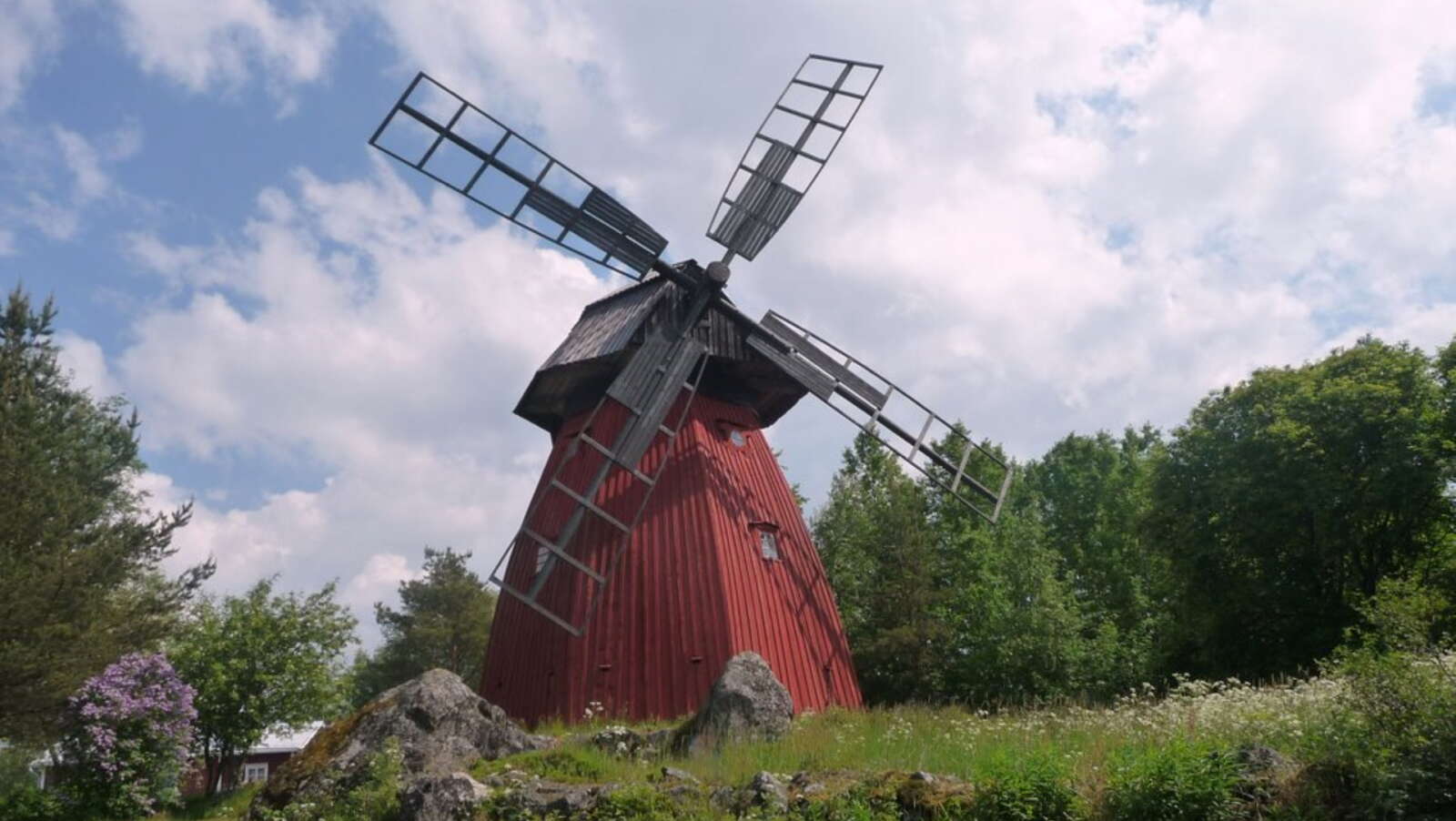
This windmill was constructed in the early years of the 19th century, when the Söderfjärden plain was still covered by water. The year 1809 is cut into the wood in the mill and is likely to be the year when it was built.
Mr Isak Jakobsson Schöring (1759-1833) was the farmer that owned the land where it was built. According to tradition, a sailor, Skata Johan, was the architect. He had sailed many years as the ship’s carpenter and most likely also visited Holland, while the mill is built in the Dutch style.
This kind of a windmill is unique in Finland. The mill was used for about one hundred years for grinding meal and planing wood to small, slim pieces, used for covering roofs. The mill was not used after 1910 and was without wings until 1991, when the association Bygdeföreningen renovated it.
info@sundom.fi
-
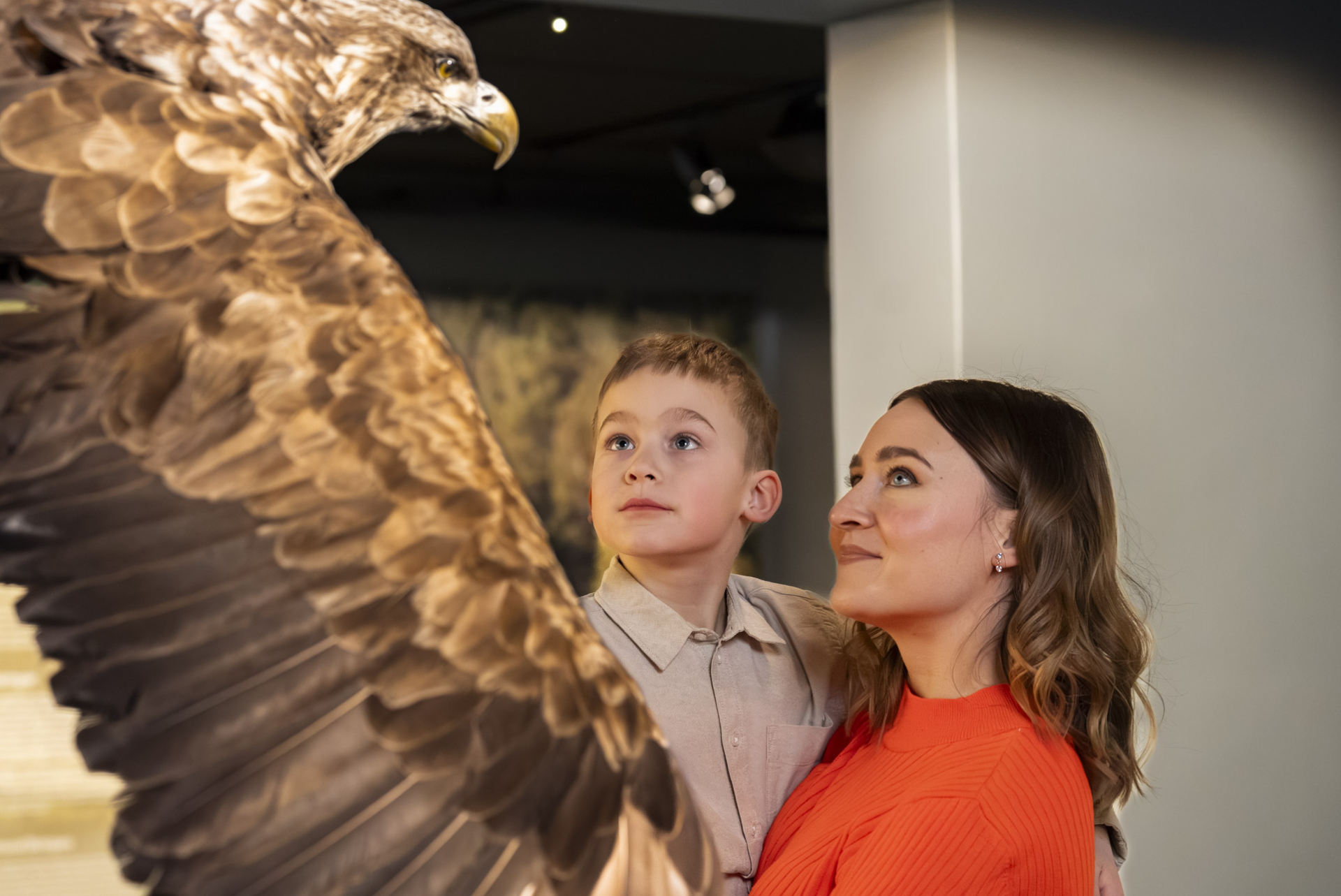
Terranova is the name of the museum’s permanent natural science exhibition. Terranova is Latin for ‘new land’. In the Kvarken region the ´new´ land rises from the sea at a rate of 9 mm per year. Terranova was opened in 2002 in cooperation with the Ostrobothnian Museum, the Finnish Forest and Park Service Metsähallitus and the Ostrobothnia Australis Association.
Terranova presents nature in the Kvarken and Vaasa region from the Ice Age until the present day. Visitors can wonder at the land uplift phenomenon and its consequences, admire the beautiful Kvarken Archipelago and its fauna with all their senses.
Terranova is also privileged to present a unique natural heritage site: The Kvarken Archipelago was entered in UNESCO’s World Heritage List in 2006 – the only natural site in Finland to be included so far. Together with the High Coast of Sweden, it forms a natural heritage site. The area was given the status of world heritage because post-glacial rebound is more visible here than anywhere else in the world. More information about the High Coast and the Kvarken Archipelago World Heritage is available at www.merenkurkku.fi and www.naturumhogakusten.se.
+358 6 325 3800
museoinfo@vaasa.fi
-
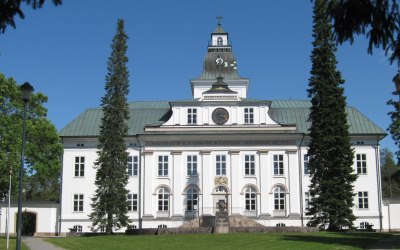
In 1776, the Court of Appeal was built in Vaasa by Gustavus III, this was the second Court of Appeal in Finland. The building, which was designed by superintendent C. F. Adelcrantz was completed in 1786. After the great fire (1852) in the town, when almost everything was burnt to the ground, the building of the Court of Appeal began to serve as the church for Mustasaari congregation. The bell-tower, designed by C. A. Setterberg, was built in the 1800s.
+358 400 415 008
https://www.korsholmssvenskaforsamling.fi/kyrkor-och-lokaler/korsholms-kyrka
-
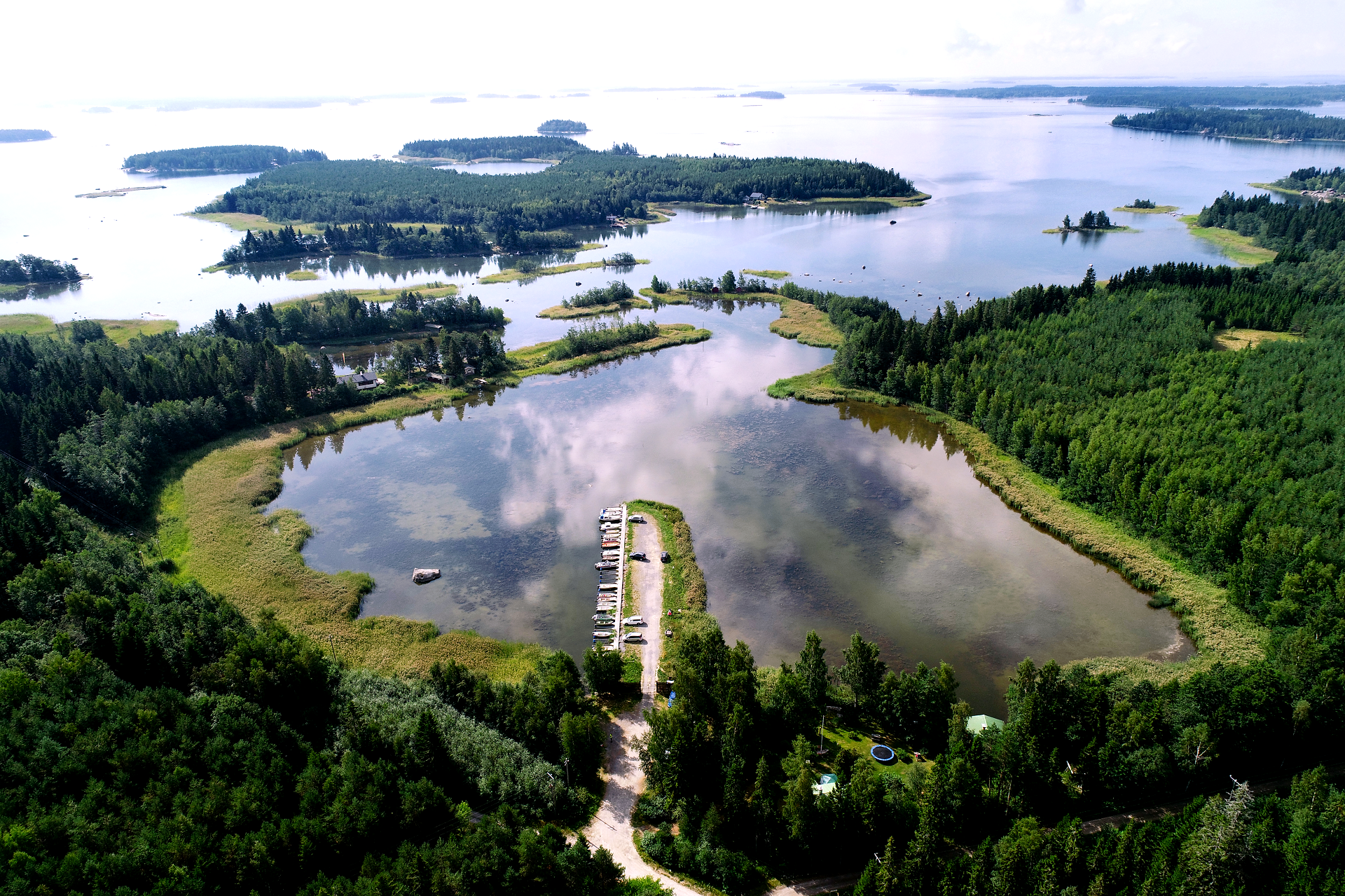
One of the Kvarken’s specialties is definitely the De Geer moraines, or washboard moraines, that form clear streaks in the scenery. You can see these formations best from the observation tower Saltkaret or along the Bodvattnet nature trail.
Is it difficult to choose which place to visit in the Kvarken? Here is some tips of the archipelago’s gems for you!
-
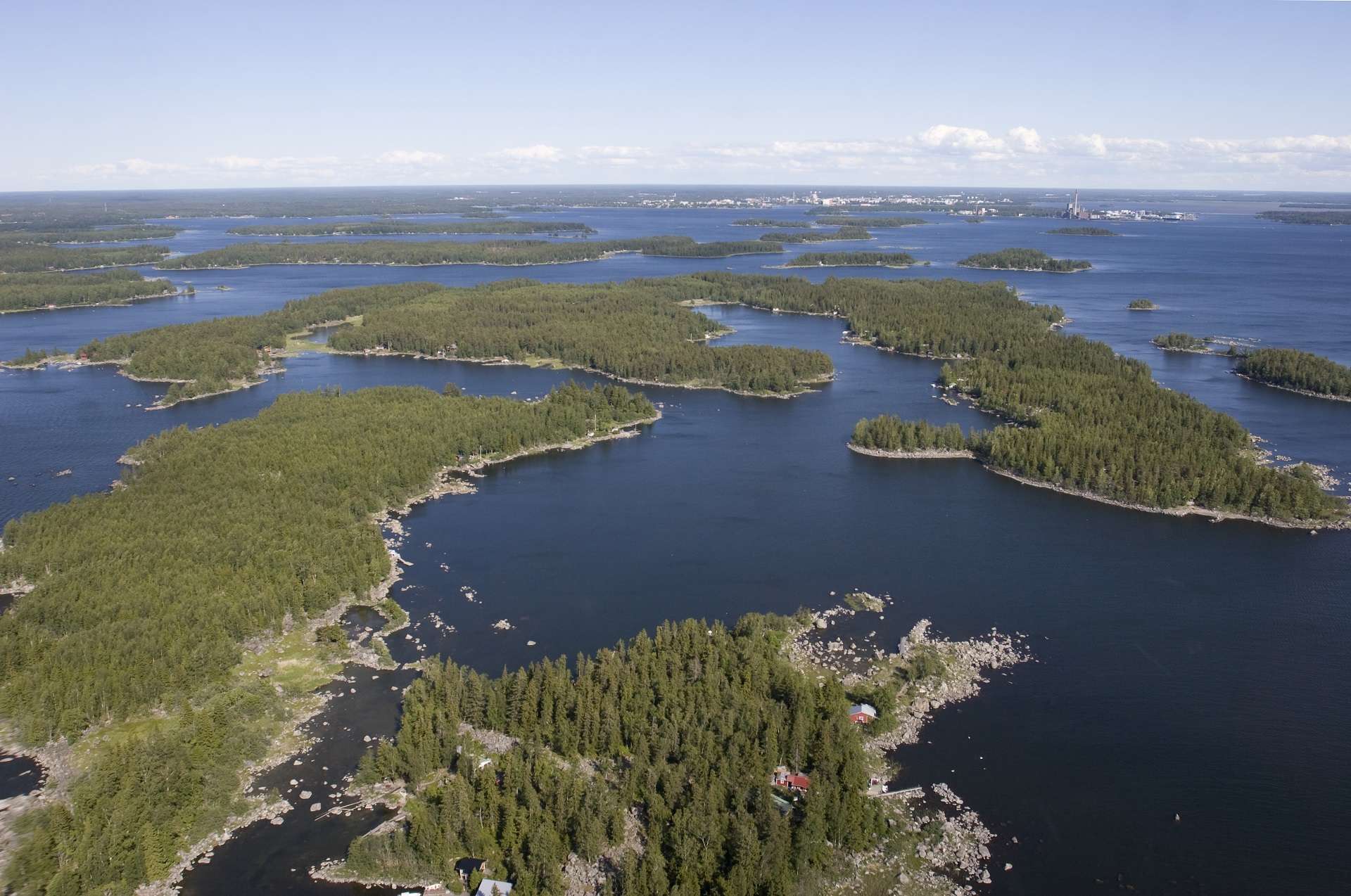
The unique Kvarken Archipelago is Finland’s only Natural World Heritage Site on the UNESCO World Heritage List. Together with Sweden’s High Coast, the Kvarken Archipelago is the best place in the world to experience and understand the land uplift phenomenon caused by the last Ice Age.
+358 50 346 6200
info@kvarken.fi
-
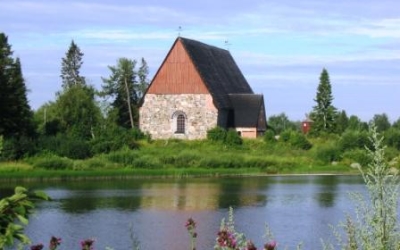
The old church was built in the end of Middle Ages, and it’s oldest part is the sacristy. There is 114 frescos on the church’s walls. The church is closed due to renovations.
https://www.isonkyronsrk.fi/isonkyron-vanha-kirkko/the-old-church-of-isokyro
-
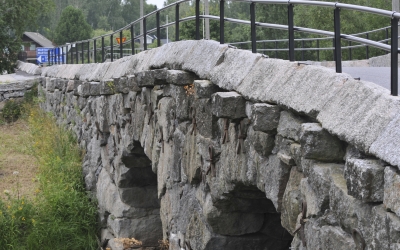
The stone bridge at Toby is the second oldest stone bridge still in use in Finland. With its twin arches, its 85 m length and 5,5 m width, it is a fine example of the bridge-building techniques of the 18th century.
-
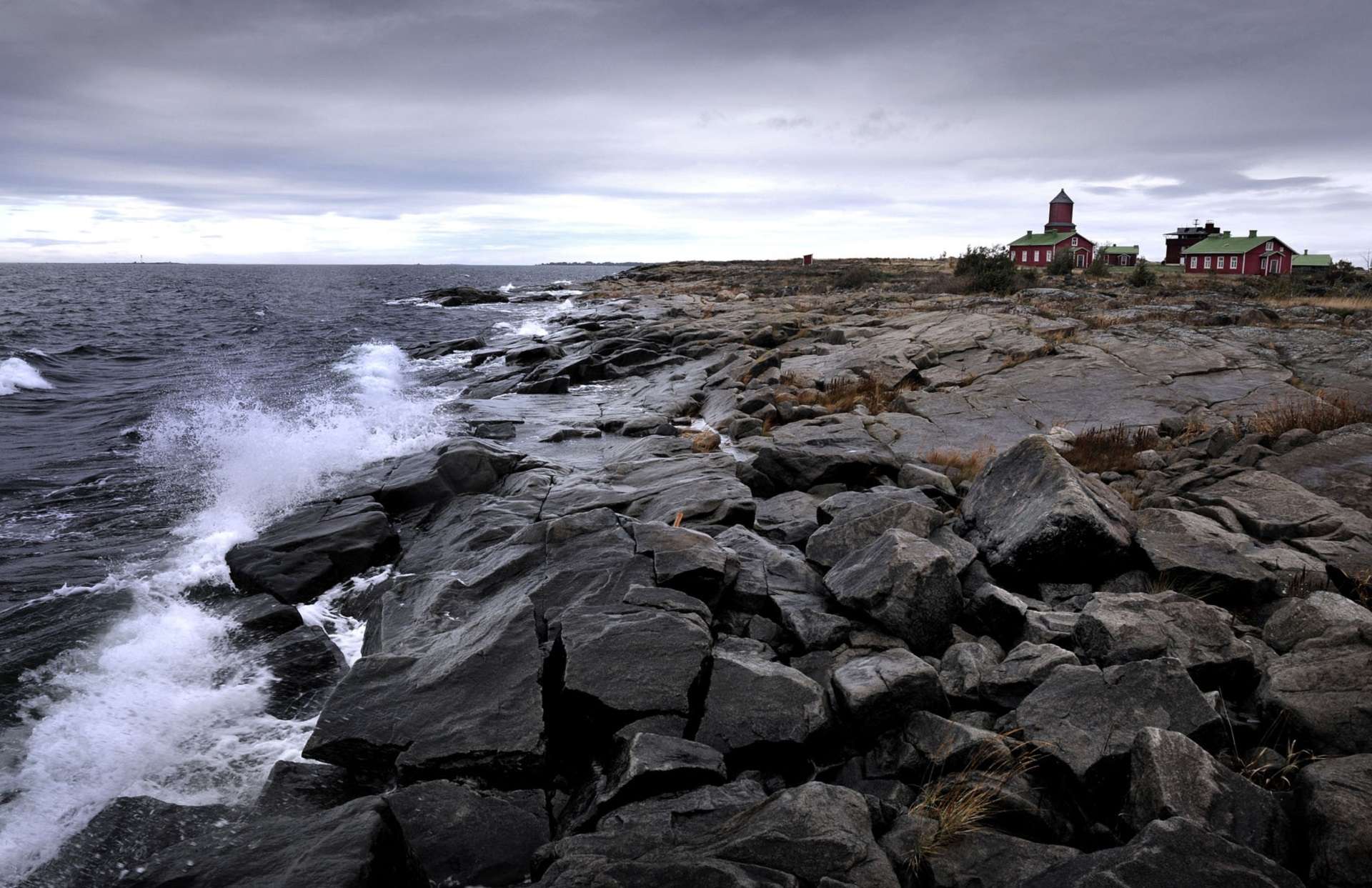
Thousands unique islands are full of contrasts: smooth rocks, rough rocky grounds, lush forests and bays. Many light houses and maritime pilot stations remind of the old days. Nowadays the outer islands have summer cottages and many of these are former fishermen’s huts. The Kvarken Archipelago is home also for numerous birds who are also one of the Kvarken’s sights.
During the summers, you can get to Mickelsörarna or Valsörarna islands via World Heritage cruises, where the guides reveal the islands’ many stories. Also many of the archipelago’s entrepreneurs offer boat trips to the outer archipelago. you have your own boat, we recommend landing in for example Molpehällorna’s or Fäliskäret’s guest harbours.
-
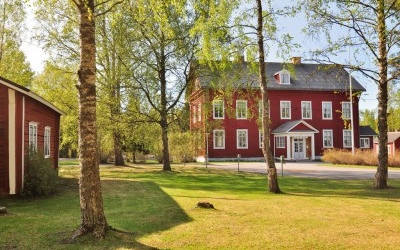
Tottesund Mansion is a beautiful and historical location which is a great fit for different events. The atmosphere and the closeness to nature makes your stay memorable. The traditions of Tottesund Mansion go all the way back to the 17th century. Earlier it has been used as an estate for military officers, and today it is used as an office building. There’s a possibility for quided tours in July.
Connected to the Tottesund Mansion is Herrgårdsleden (the mansion trail), an approximately 4 km long hiking trail along which there are several picnic areas, as well as a barbeque hut with a fireplace. A walk close to water.
In the mansion there are several exhibitions: the Jäger Movement, the weapons smuggling with Equity, Sibelius wedding, a miniature of the area in the middle of the 1800s among others.
The Tottesund Mansion can be booked for groups (min. 10 people), weddings, birthday parties, graduations parties, course days, field days, and more.
We offer coffee with cake, meals, recreational activities, and guided tours. We customize your experience according to your wishes.
Our own activities during the year are e.g., mansion brunches, historical dinners, theatres, ghost walks, family days, guided tours. Follow us on social media.
Only a 30-minute drive from Vaasa.
+358 40 1896 882
info@klemets.fi
-
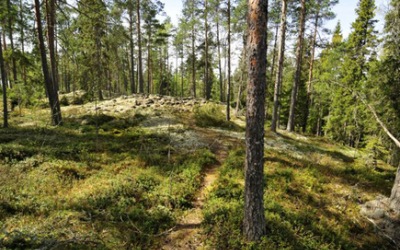
The bronze age cairn cemetery of Tuomaanmäki is located approximately 7 kilometers southwest of the center of Isokyrö, south of Tervaneva, on a wooded and rocky hill area. On the northwest edge of this area, there are six cairns along a distance of about 200 meters. The cairns have diameters of 5-10 meters, and remnants of a stone cist structure are still visible in one of them. Over time, the cairns have been excavated and stones have been removed.
-
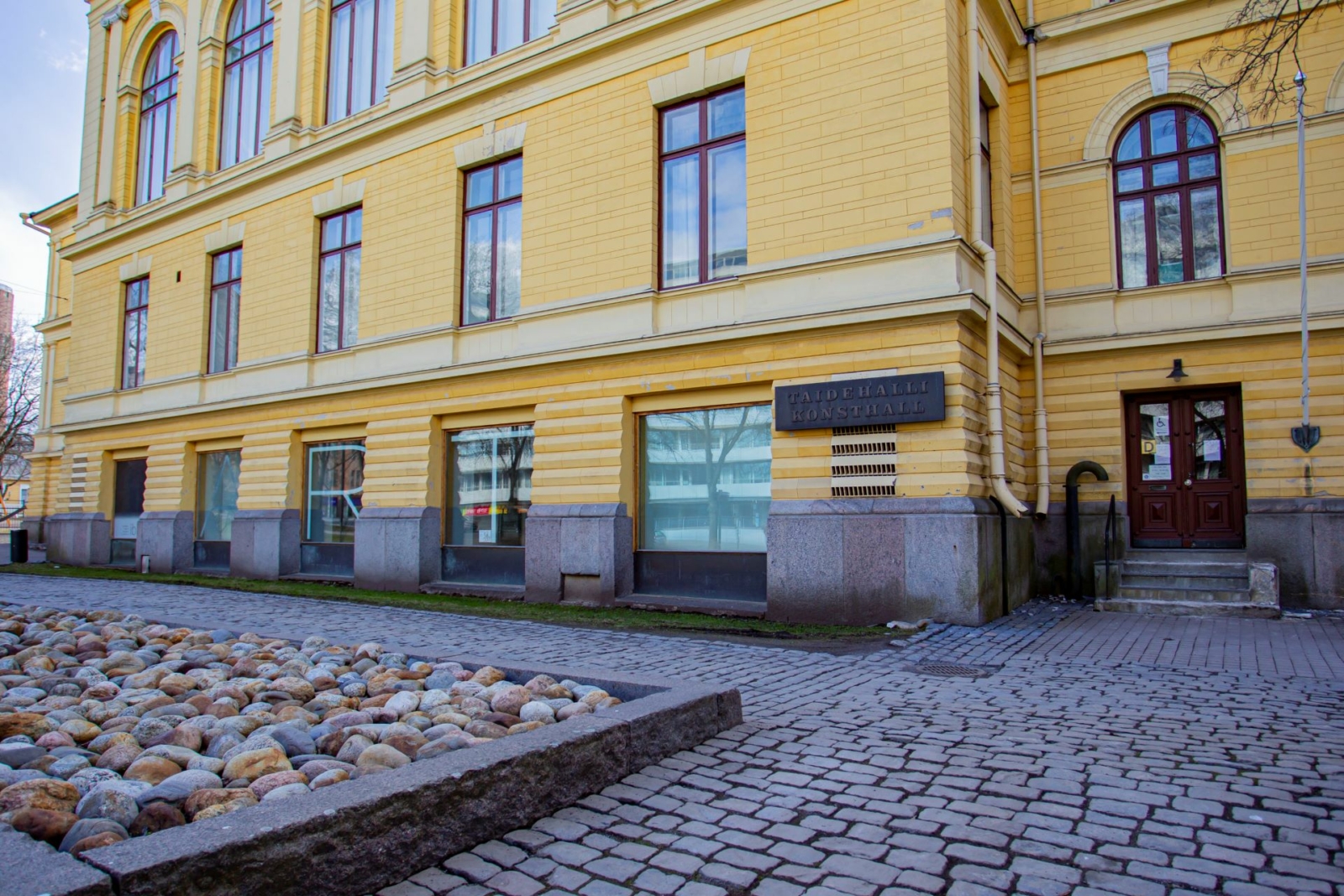
Vasa Art Hall and Gallery is a non-commercial art gallery maintained by the Vaasa Artists’ Guild.
The gallery is located in the Vaasa City Hall (entrance from Raastuvankatu) right in the center of Vaasa. The gallery exhibits contemporary art in solo and group exhibitions, featuring both domestic and foreign artists.
The hall is divided into three parts. The large hall hosts exhibitions lasting 8 weeks, while the small gallery changes its exhibition every month. The third space functions as an art library. Adjacent to this, there is also a fourth space where the IBIS Photo Gallery holds its exhibitions.
+358 40 679 3771
info@vaasantaiteilijaseura.fi
-
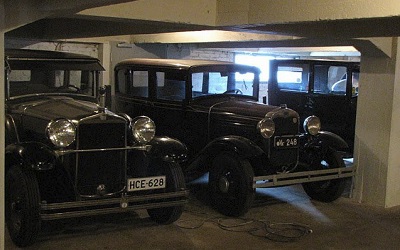
In the Vaasa Car and Engine Museum are displayed vehicles from each decade of the 20th century. Come and get acquainted with the widest collection of old and a little newer cars in Vaasa. On display are also a wide selection of products from engine factories in Vaasa as well as some theme exhibitions.
The Vaasa Car and Engine Museum opened its doors in 1981. There are motors and cars in the museum all the way from the beginning of the 20th century to the present day. The history of traffic and vehicles is displayed in the museum with the help of renovated cars and other vehicles. Among these can be mentioned the horse-drawn ambulance dating back to 1909.
There are also several fire trucks and other fire fighting equipment on view, and let’s not forget the bicycle. The vast collection of bicycles in the museum offers the visitor the possibility to get acquainted with the trajectory of this vehicle. In addition there are some soapbox cars, snowmobiles, motorcycles and mopeds in the collection.
+358 44 569 2690
vvasry@gmail.com
-
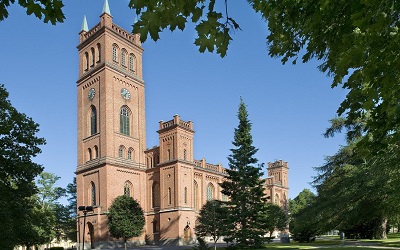
Vaasa Church was planned by the architect C. A. Setterberg and consecrated in 1869. The church, built in an English neo-gothic style, has a capacity of almost 900 people. The last restoration took place in the year 2000.
+358 44 480 8460
https://www.vaasansuomalainenseurakunta.fi/kirkot-ja-tilat/kirkot/vaasan-kirkko
-
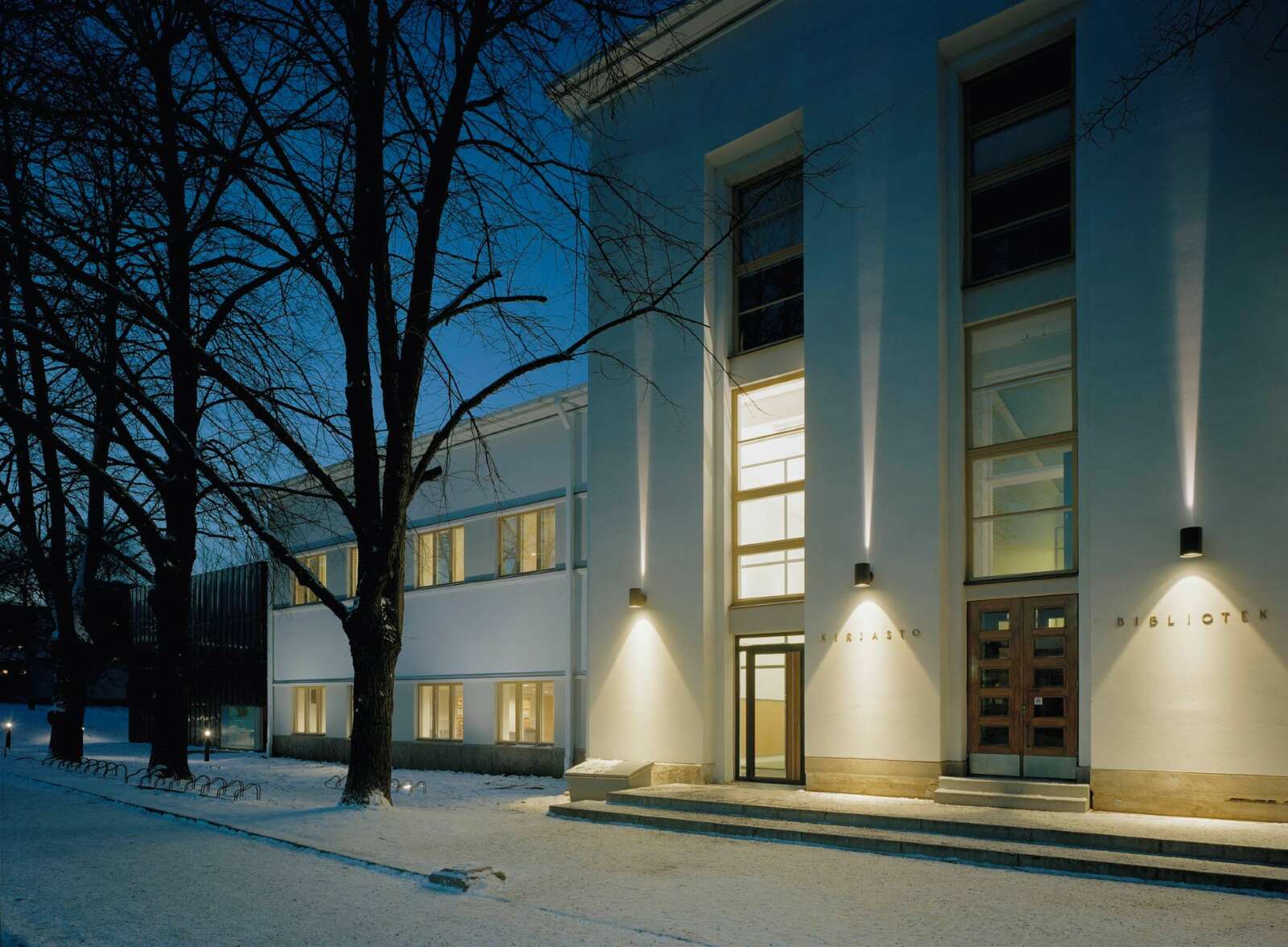
The main library has subject sections:
- Children and young adults
- Countries and cultures
- Literature and languages
- Music and arts
- Science and technology
- Social sciences and economics
- Svenska handelhögsskolans collection
- Regional collection Vasaensis
kirjasto.info@vaasa.fi
-
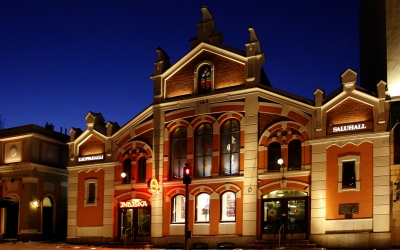
For over a century, Vasa Market Hall has been serving people as an essential gathering place and market in Vaasa. We, the merchants are very proud of our Gothic style hall building and its atmosphere ringing with history. Vasa Market Hall is one of the oldest in Finland, it is also protected by museum laws.
The Market hall was built in two separate sections of which the first, the one adjacent to Vaasanpuistikko stood ready in 1902, the second one, closer to Kauppapuistikko in 1927. From 1963 and on, the two sections have been incorporatedt, making a free passage between the upper and the lower section of the Market Hall.
Visit the Market Hall for lunch, finish it off with a nice espresso and bring home some nice fresh ingredients – everything conveniently under the same roof! We also offer special treats that make your taste-buds water.
info@vaasankauppahalli.fi
-
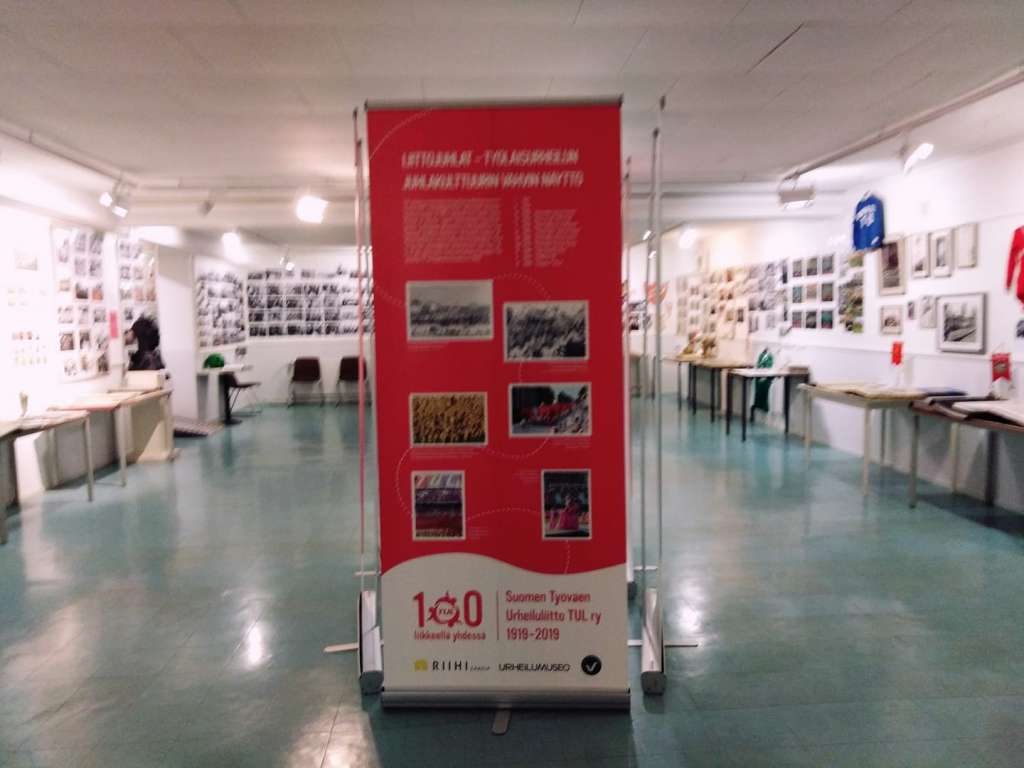
Vaasa Museum of Labour opened in 1991. In addition to the permanent exhibitions, the museum arranges special exhibitions on a particular theme twice a year. The main purpose of the museum is to develop it into a diverse information centre for working class traditions. The museum also provides tailor made study visits for schools.
+358 6 321 5805
vaasan.tyovaenmuseo@netikka.fi
https://www.museiportalosterbotten.fi/museum-a-o-en/museum/64-vaasa-museum-of-labour
-
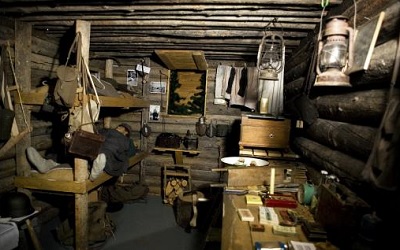
In the exhibition you can familiarize yourself with Finland’s war history all the way from the time of the Russian rule to the end of the Lapland war.
In addition to the basic exhibition the Vaasa War Veteran Museum annually organizes one or two special exhibitions. The museum’s permanent exhibition displays with numerous items soldier and war history from the last two centuries.
+358 6 312 9894
http://www.museiportalosterbotten.fi/museum-a-o-en/museum/91-vaasa-war-veteran-museum
-
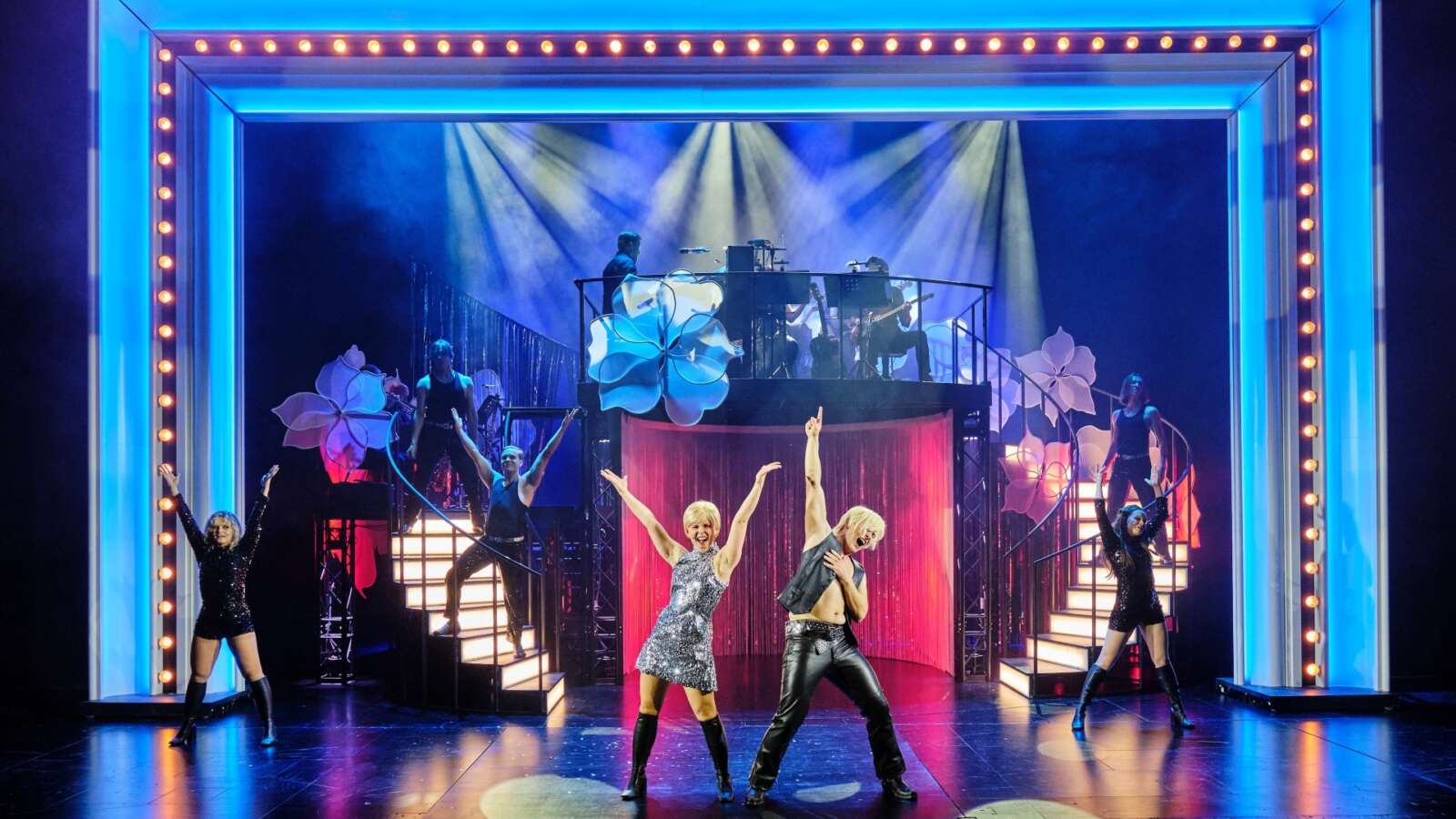
Vaasan kaupunginteatteri (Vaasa Finnish City Theatre) produces musical theatre with everything from song evenings to opera, drama classics as well as new plays as well as high-class children’s theatre.
In addition to theatre performances, it also organizes concerts and smaller fairs as well as various other customer occasions in the theater’s premises.
Vaasan kaupunginteatteri provides English subtitles to select plays. You can read English subtitles on your smartphone with the app Subtitle Mobile. Instructions below. Swedish subtitles are displayed above the stage and are best seen from row 9 and upwards.
+358 6 325 3961
vkt@vaasa.fi
-
Events in the Vaasa region
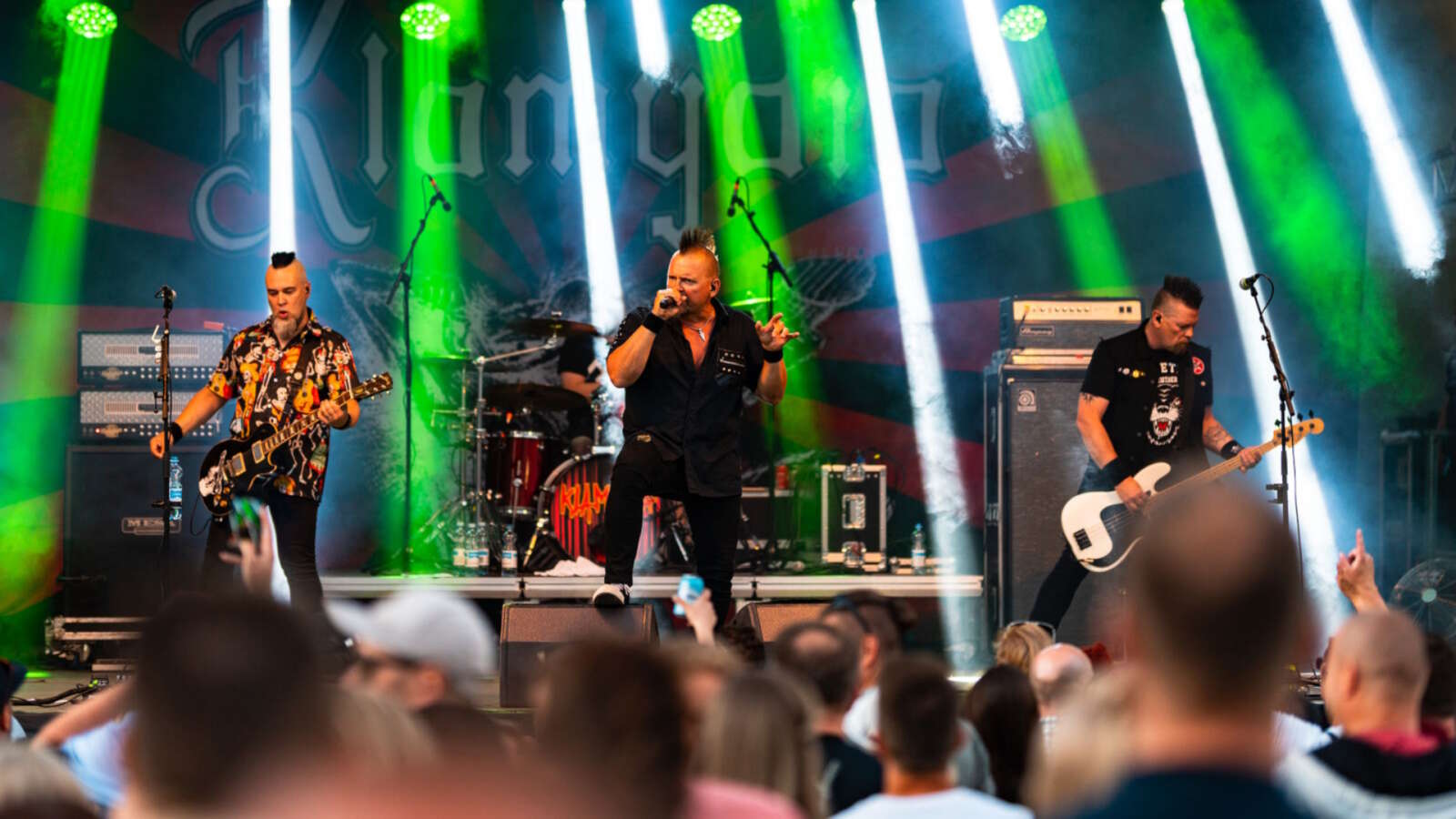
Vaasa region is full of events, big and small, something for every taste. Pick the best ones and enjoy!
-
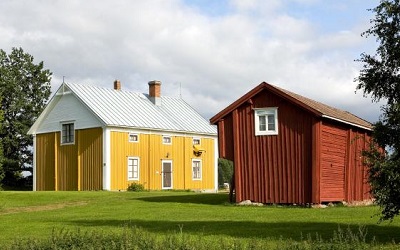
The Verner Rasmus Museum is an exceptional museum with a unique collection of porcelain artefacts. The museum is a versatile visiting destination with its fascinating combination of peasant furniture, agriculture equipment and books.
Verner Rasmus was a peasant, who lived in Vörå during the years 1901-1988. He dwelled on his homestead Arvidsgården together with his three siblings, Viktor, Arvid and Aina. The main building of Arvidsgården dates back to 1913. Verner lived in Vörå all his life except for the few years (1927-1931) he spent in Canada. He made his living by farming, but he was also an amateur musician, tinkerer, painter and collector.
040 965 1561
ulrika.rasmus@evl.fi
http://www.museiportalosterbotten.fi/museum-a-o-en/museum/54-verner-rasmus-museum
-
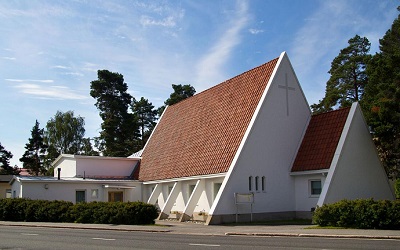
Vetokannas Church is designed by Gösta Bergman and was ready in 1961. The icon is painted by Erland Forberg and organ is from Heinrich organ factory.
+358 44 091 9369
https://www.vaasansuomalainenseurakunta.fi/kirkot-ja-tilat/kirkot/vetokannaksen-kirkko
-
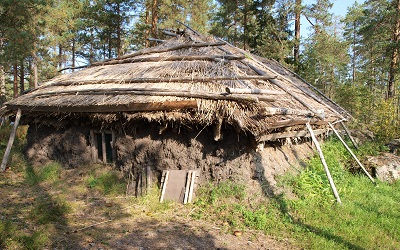
This is one of the oldest discovered dwelling sites in Finland from the Early Bronze Age. You can also explore several well-preserved house foundations and terraces from that period. These ancient remains were located in a coastal bay during the Bronze Age, which extended all the way to the southern part of Vöyri.
https://www.vora.fi/en/services/motion-and-sports/hiking-trails/
-
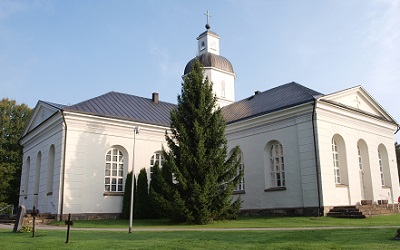
The church in Vähäkyrö was built 1799-1803.
+358 44 480 8510
https://www.vahankyronseurakunta.fi/kirkko-ja-tilat/vahankyron-kirkko
-
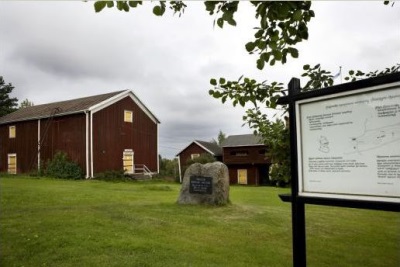
The Vähäkyrö Museum is situated in an old loan magazine on the brink of the Kyrö river. The exhibition recounts life in the old times, and it has been divided into various themes, for instance the birth of children, spiritual life, agriculture and wartime. The entrepreunership of the Vähäkyrö people can be seen in the collections, and the museum also offers an extensive view on the history of Vähäkyrö.
The items in the museum depict the everyday life of peasants in the days of the past. There are fishing instruments, sleighs, agriculture and platers’ tools. An especially interesting collection displays possibly the oldest midwife’s equipment in Finland, and birth in the old time is represented in the exhibition. The exhibition is supplemented by a nurse’s uniform from the 1950s, by rattles, children’s books and cradles. Wash basins, which were included in the maternity package, were for a long time manufactured in Vähäkyrö. The first midwife of the region, Hilja Solkela, worked in Vähäkyrö in 1927-1958.
050 541 1745, 050 5332858
http://www.museiportalosterbotten.fi/museum-a-o-en/museum/65-vahakyro-museum
-
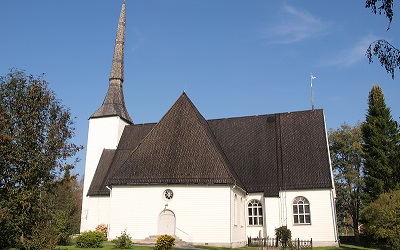
-

Wasa Graffitilandia is an exhibition dedicated to graffiti and street art, located on Opistokatu in Vaasa. Spanning 3,000 m², it features more than 230 artworks created by 200 artists from 20 countries.
In addition to graffiti and murals, visitors can explore UV art, media art, and a variety of art installations. Graffitilandia also includes a spray paint shop and a public wall where anyone can try graffiti painting. The exhibition features works by both Finnish and international artists, including Bates, 1UP and VILE.
By bringing graffiti into a gallery setting, Graffitilandia aims to help visitors see the art form from a new perspective. Many leave the exhibition with a greater appreciation of the skill, technique and practice required to create graffiti. The exhibition is both a tribute to graffiti artists and an effort to challenge common misconceptions about graffiti.
Every June, Graffitilandia also hosts Meeting of Styles, a free, three-day, all-ages graffiti festival featuring live painting sessions and live music performances.
instagram.com/wasagraffitilandia
wasagraffitilandia@gmail.com
-
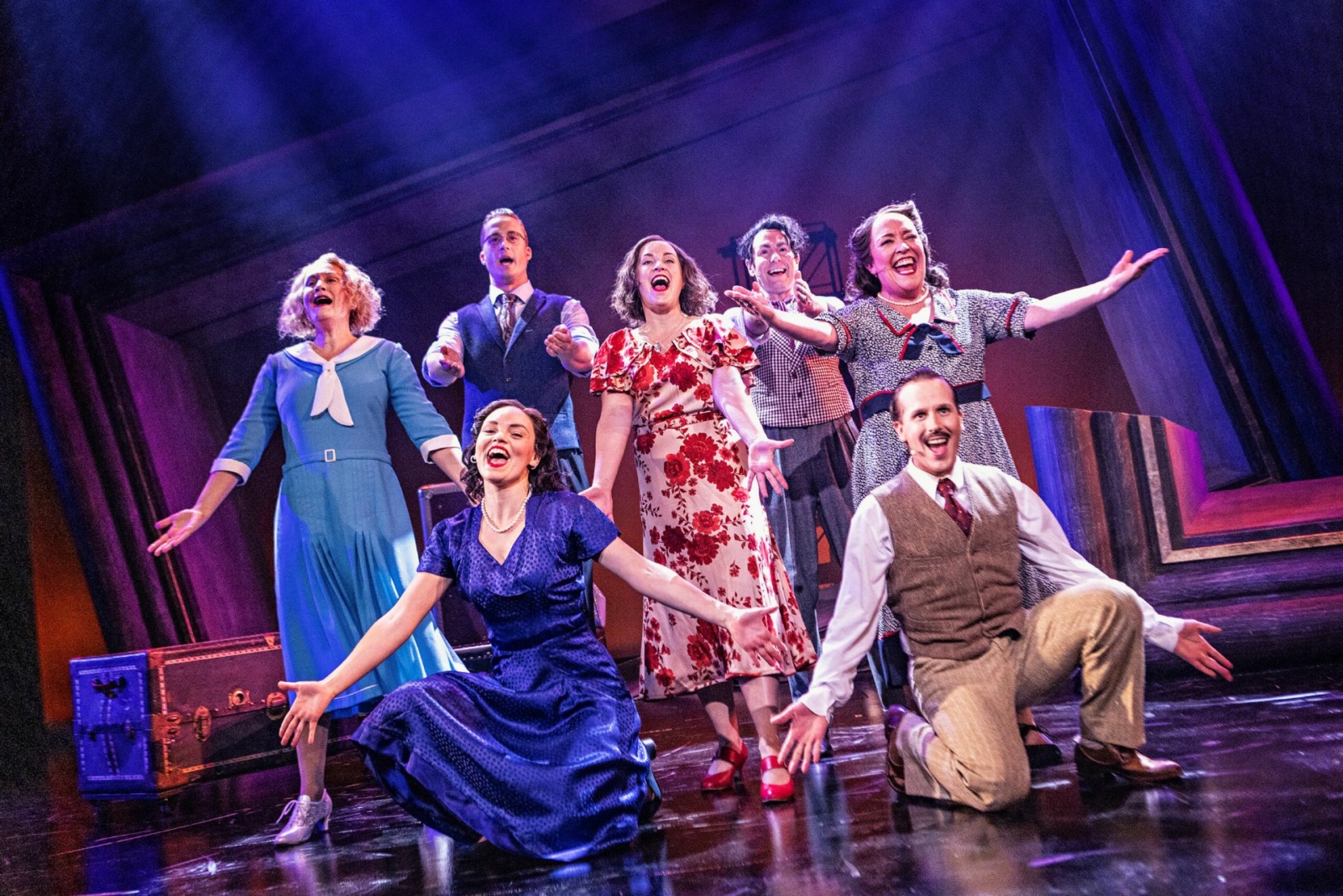
Wasa Teater is a Swedish-language theater located in Vaasa, Finland. Founded in 1919, it has since been a significant cultural venue in the region. With a focus on offering a diverse range of performing arts, including theater productions, musicals, and other stage events, Wasa Teater strives to enrich the cultural life of the community. The theater has established itself as a hub for creativity and expression, with its productions often encompassing both classic and contemporary works.
+358 6 320 9330
info@wasateater.fi
-
Welcome to the World Heritage Gateway – the visitor centre of the Kvarken Archipelago World Heritage area
At the World Heritage Gateway, you can familiarise yourself with the World Heritage Kvarken Archipelago, which is the best place in the world to experience the land uplift after the last Ice Age! Here is our visitor centre summarised:
- Information lobby gives you an overview of our World Heritage with texts, videos, animations and brochures year-round and free of charge.
- Open gallery Arte Mare showcases the work of local artists year-round and free of charge.
- Main exhibition Weichsel tells the story of our World Heritage through the senses against a small entrance fee.
- Shop with World Heritage products and small souvenirs is open during summer season.
- Escape Game Kvarken’s Sea Monster can pre-booked online year-round.
- Guided tours and presentations can be pre-booked via our customer service year-round.
The service and texts within World Heritage Gateway is available in English, Swedish and Finnish.
If you get hungry, the Restaurant & Cafe Berny’s offers meals and coffee in the same premises year-round. You can find Berny’s website and opening hours here. Finland’s longest bridge, Replot bridge, is located just next door and is an ideal place for a refreshing walk and taking in the scenery.
For more detailed information about opening hours, services and fees, visit our homepage.
+358 50 3466 200
info@kvarken.fi
-
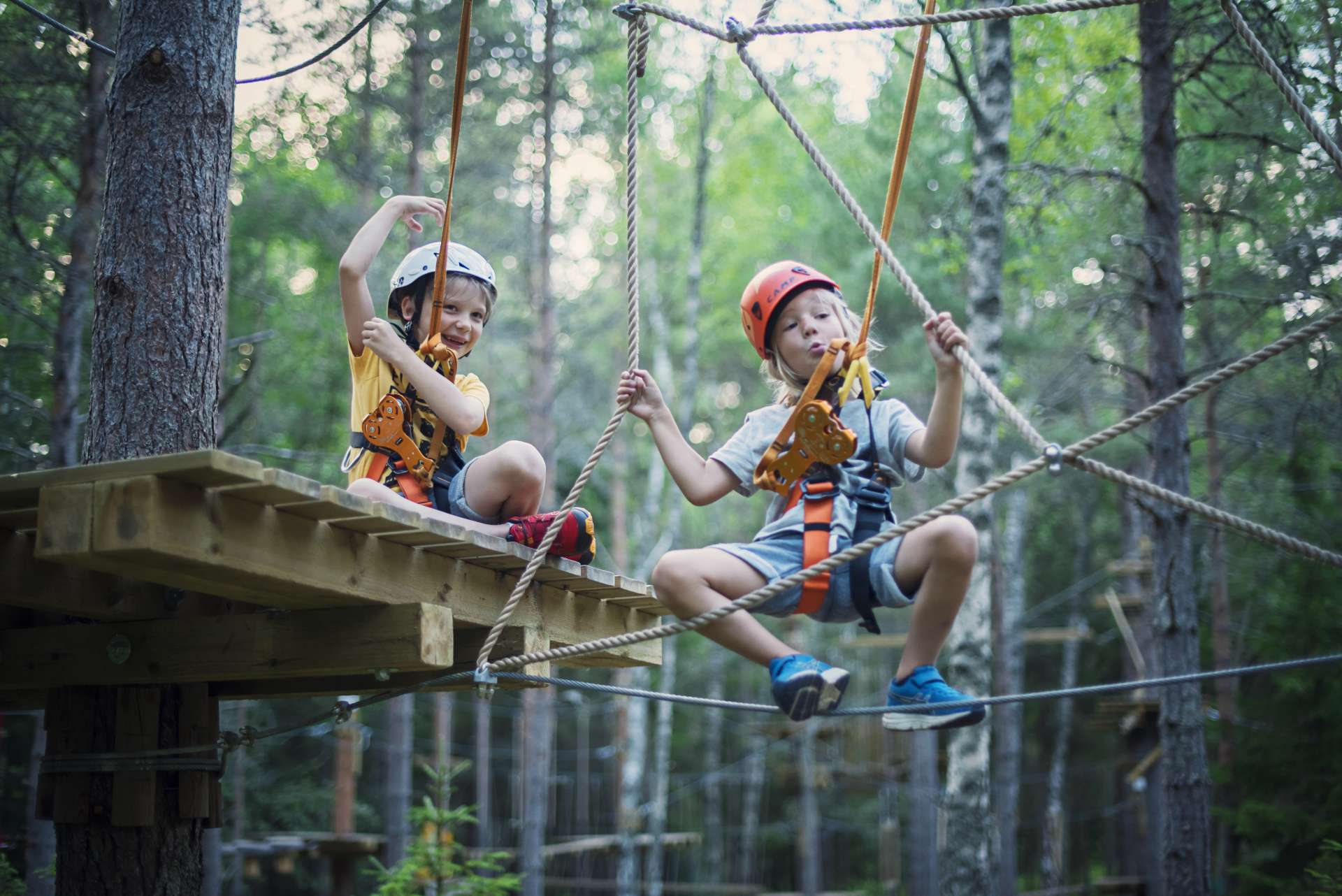
Welcome to Zip Adventure Park – the adventure park, situated in the beautiful Vasa, Finland’s sunniest city. Here you can experience a different, fast-paced and challenging day of adventure, regardless of age and whether or not you’re with family, your company, your association or your group of friends. We offer challenges for all age groups – move between the treetops, challenge yourself and enjoy both the excitement and the view.
+358 40 832 2221
info@zipadventurepark.fi
-

At the tourist information, you get tips, maps and brochures about Vaasa and the Vaasa region, as well as information about Finland’s most important tourist destinations.
Opening hours and other information points in the region can be found here.
+358 40 123 8977
visit.vaasa@visitvaasa.fi
https://app-production.vaasa.hion.dev/en/see-and-experience/good-to-know/tourist-information/
-
Amateur theatre in the Vaasa Region
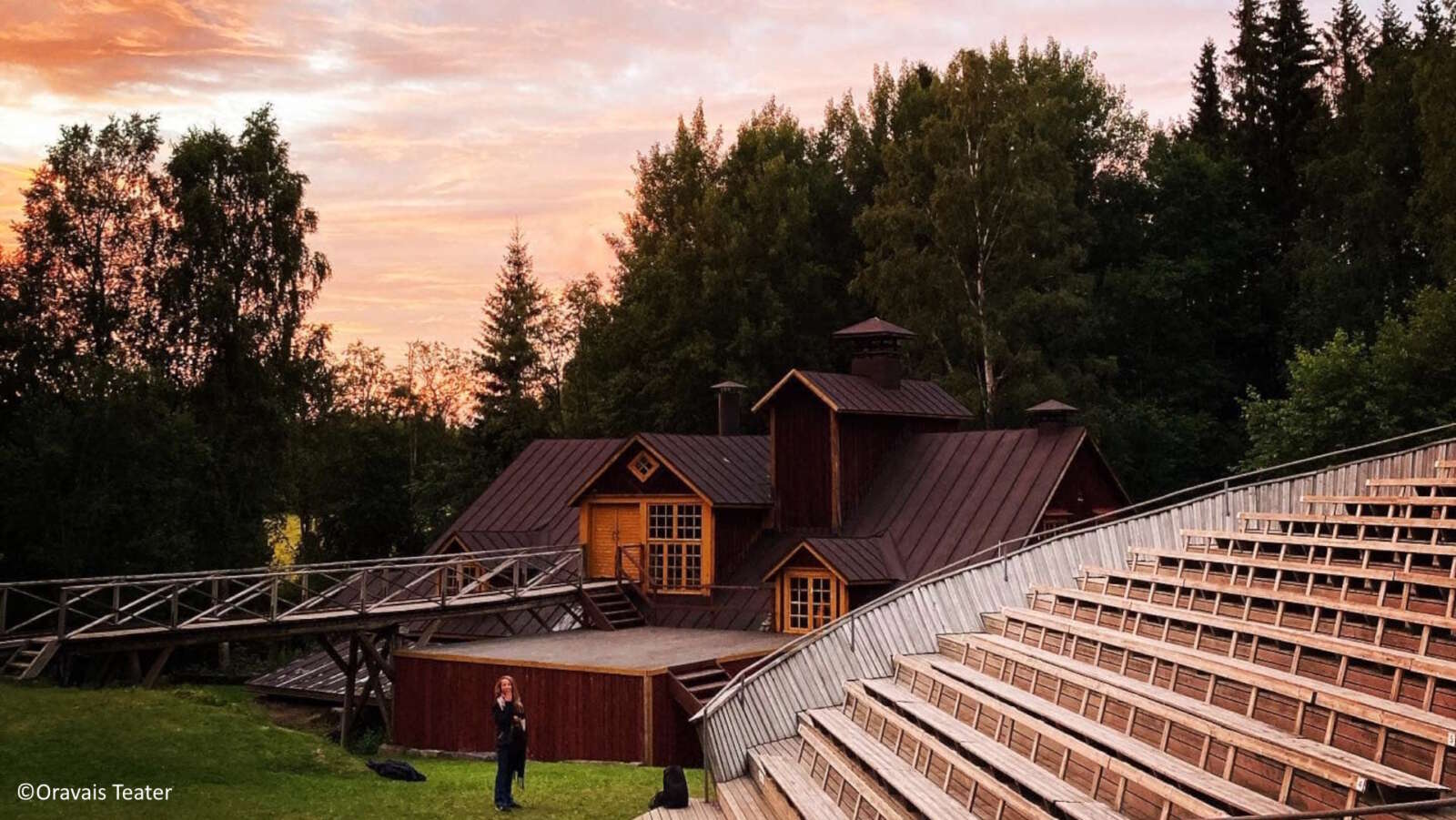
Passionate performances by the region’s amateur theatres are available all year round.